 how-to
Fresh Roasted Coffee Delivered to Office
Table of Contents
- Why Fresh Roasted Coffee Matters for Your Office
- How Office Coffee Delivery Service Works
- Setting Up a Coffee Subscription for Office
- Whole Bean Coffee Delivery: Choosing Your Grind
- Wholesale Coffee for Offices: Quantity and Budgeting
- Keeping Office Coffee Fresh: Storage and Timing
- Accommodating Team Preferences and Brewing Methods
- Frequently Asked Questions
Last Updated: October 11, 2026
Why Fresh Roasted Coffee Matters for Your Office
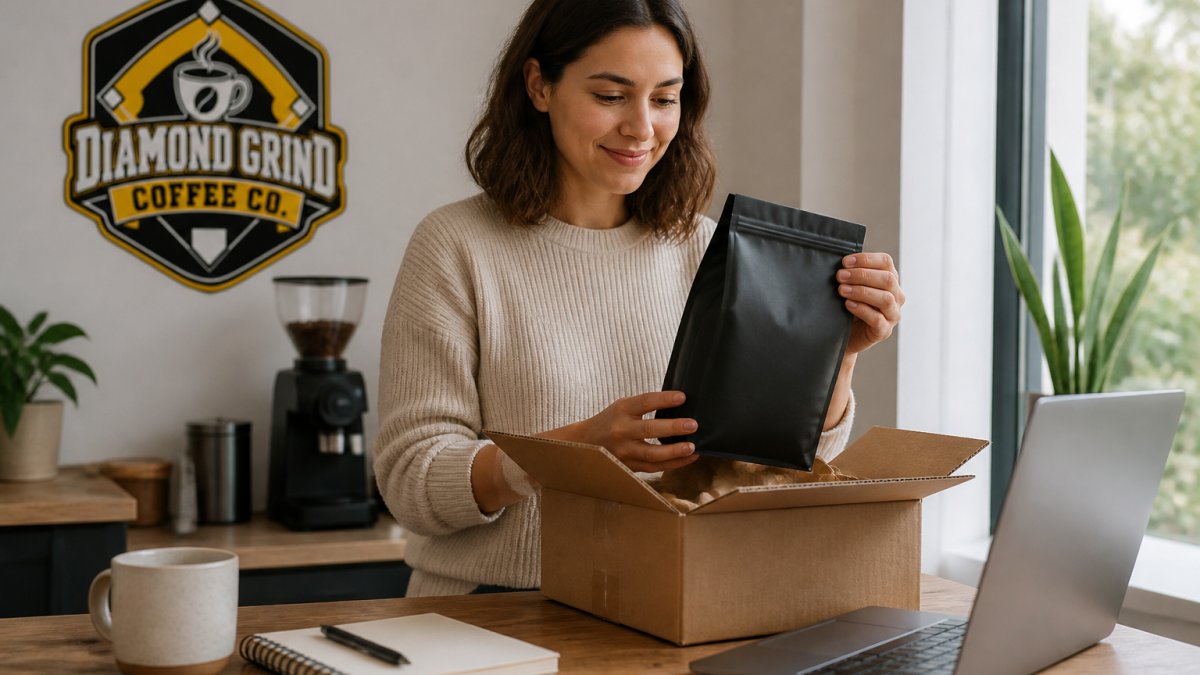
Fresh roasted coffee delivered to office environments transforms how teams experience their daily caffeine ritual. Unlike coffee that sits on warehouse shelves for weeks, fresh roasted beans preserve the complex flavors and aromatic compounds that make specialty coffee worth the investment. At Diamond Grind Coffee, we roast small batches the same day they ship, ensuring your office receives coffee at peak freshness.
The difference is measurable. Coffee begins losing flavor intensity within days of roasting as volatile compounds escape. By the time conventionally sourced beans reach your office, they've already lost the bold, vibrant notes that make premium coffee worth buying. Fresh roasted coffee delivered directly preserves those high notes, the brightness, the clarity, the complexity that separates good coffee from forgettable.
For offices, this matters practically. Teams fueled by better coffee report sharper focus during morning meetings. The ritual of brewing fresh coffee creates a moment of intentionality before the workday accelerates. When your office has access to coffee that tastes noticeably better than the alternative, people actually look forward to the break room.

How Office Coffee Delivery Service Works
Office coffee delivery operates through several distinct models, each with different trade-offs for workplace environments. Understanding these models helps you choose the approach that fits your team's size, budget, and reliability needs.
Subscription delivery is the most common model. You set a recurring schedule, weekly, bi-weekly, or monthly, and coffee arrives automatically on that cadence. The roaster roasts to order, and delivery typically arrives within 3-5 business days depending on your location. Subscription removes the burden of remembering to order, but it requires accurate consumption forecasting to avoid overstocking or running short.
Wholesale or scheduled delivery works differently. You place larger orders less frequently, often with a minimum order quantity (typically 5-10 pounds). This model suits offices with dedicated procurement staff or those ordering for multiple teams. Pricing per pound is often lower than subscription, but you carry more inventory and must manage storage space.
On-demand ordering lets you buy individual bags or small quantities whenever you need them, with no subscription commitment. This offers maximum flexibility but typically costs more per pound and requires someone to actively monitor stock and place orders before you run out.
Local roaster partnerships involve working directly with a nearby specialty roaster who may offer custom delivery schedules, bulk pricing, or even on-site brewing consultation. This model builds community relationships but depends on roaster capacity and may lack the consistency of larger services.
When evaluating any delivery model, confirm these supplier details upfront:
- Delivery area and speed: Does the roaster ship to your location? What is the typical delivery window? Do they offer expedited shipping if you run out unexpectedly?
- Order minimums: What is the smallest order you can place? Some roasters require 5-pound minimums; others sell single bags.
- Lead time: How many days between order placement and shipment? Roast-to-order services typically ship same-day or next-day; others may take 2-3 business days.
- Customization options: Can you specify grind size, roast level, and single-origin selections? Do they offer sample packs or variety subscriptions?
- Missed delivery protocol: What happens if a delivery is delayed or lost? Do they reship automatically or require you to contact support?
- Pricing transparency: Are shipping costs included or added at checkout? Do prices vary by order size or frequency?
Most offices benefit from starting with subscription delivery because it removes the mental load of tracking inventory. Once you understand your team's actual consumption rate and preferences, you can evaluate whether switching to wholesale or on-demand ordering would reduce costs or waste.
Setting Up a Coffee Subscription for Office
Start by assessing your office's actual consumption.
Choose your subscription frequency based on that consumption rate. If your office uses two pounds per week, set delivery for every two weeks. This prevents stockpiling while ensuring you never run out. Most offices find bi-weekly or monthly delivery strikes the right balance.
Select your grind preferences during setup. If your office has multiple brewing methods, order different grinds in separate deliveries or request sample packs that include variety. Diamond Grind Coffee's customizable options make this straightforward, you specify exactly what you need.
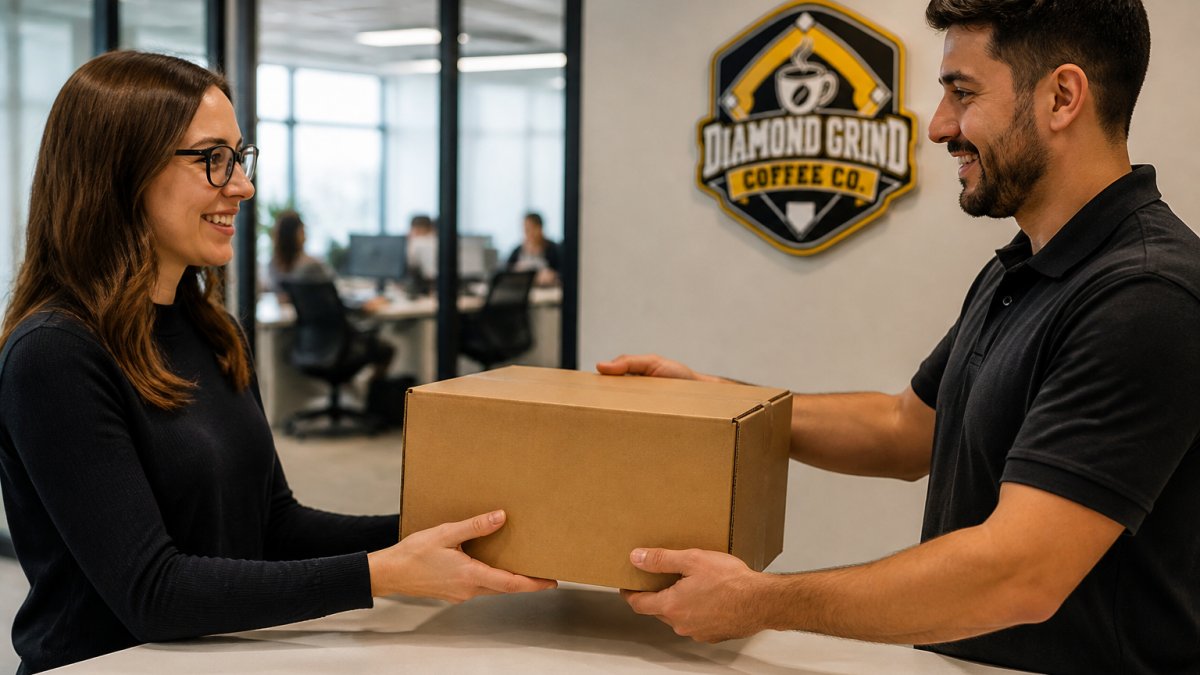
Confirm delivery address and timing. Arrange for someone to receive packages, or request delivery to a loading dock or mailroom if your office has one. Most office coffee delivery arrives during business hours, making coordination simple.
Whole Bean Coffee Delivery: Choosing Your Grind
Whole bean coffee stays fresher longer than pre-ground coffee because the beans retain their volatile aromatic compounds until grinding. For offices committed to maximum freshness, whole bean is the ideal choice. You grind what you need each day, preserving the coffee's peak flavor window.
However, whole bean requires grinders. If your office lacks grinder equipment, standard grind works well for drip machines and is the most practical choice for shared office environments. Espresso grind suits offices with espresso machines. Coarse grind works for French press or cold brew systems.
When ordering fresh roasted coffee delivered, specify your grind preference upfront. Diamond Grind Coffee offers all options, whole bean, standard, espresso, and coarse, so you choose what matches your office's actual brewing setup. This eliminates guesswork and ensures the coffee arrives ready to use.
Wholesale Coffee for Offices: Quantity and Budgeting
Wholesale coffee for offices means buying in quantities that make sense for your team size and consumption rate.
Calculate your office's budget by multiplying your consumption rate by your desired price per pound. Most offices find that fresh roasted coffee delivered costs less than routine coffee shop visits while delivering noticeably better quality. Factor in equipment costs if you're upgrading grinders or brewing systems.
First Light- Limited Edition Holiday Blend →
Diamond Grind Coffee's pricing at $24.99 per bag makes budgeting straightforward. Free shipping on U.S. orders means no hidden costs. Order what your team actually consumes, and adjust frequency based on real usage patterns.
Keeping Office Coffee Fresh: Storage and Timing
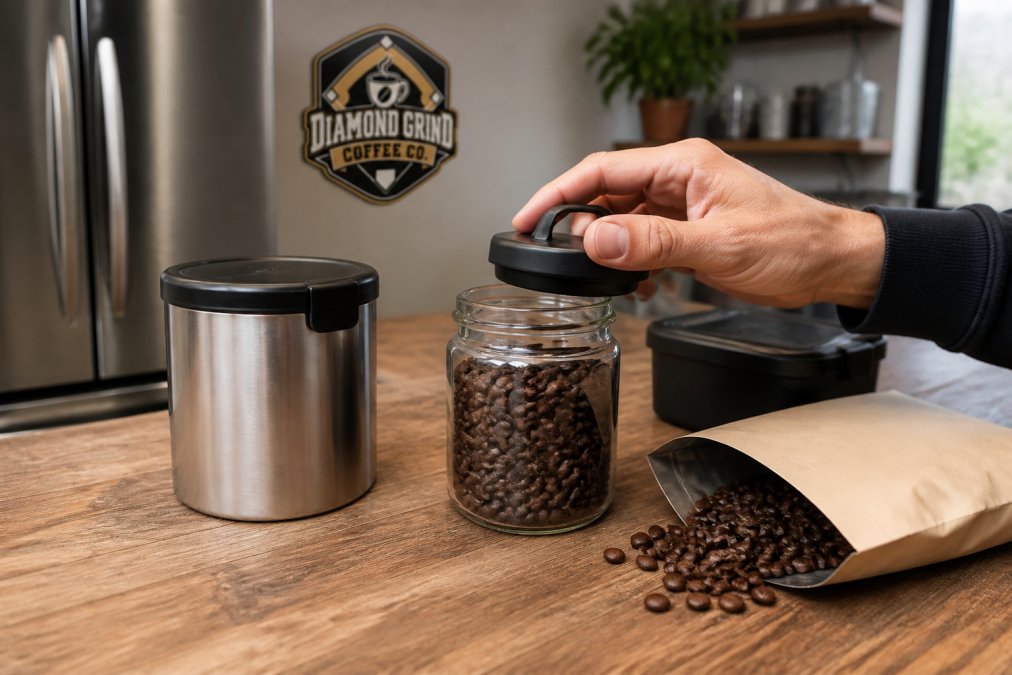
Storage conditions determine how long fresh roasted coffee delivered maintains peak flavor, but office environments present unique challenges that home storage does not. Coffee degrades fastest when exposed to light, heat, air, or moisture. Store your office coffee in airtight containers in a cool, dark space, a dedicated cabinet, pantry shelf, or storage closet works well.
Do not store coffee in refrigerators or freezers. Temperature fluctuations cause condensation inside sealed bags or containers, which introduces moisture and damages beans. Room temperature storage in sealed containers preserves freshness most effectively. If your office has limited cool space, prioritize keeping coffee away from direct sunlight and heat sources over achieving a specific temperature.
Peak flavor window and consumption timing matter more in offices than home settings because multiple people consume the coffee and timing is less predictable. Fresh roasted coffee maintains excellent quality in proper storage.
This timeline drives your subscription frequency. If your office uses two pounds per week, bi-weekly delivery ensures coffee is consumed within its peak window. Monthly delivery only makes sense for very small teams (fewer than five people) or offices with exceptional storage conditions and moderate consumption.
Coordinating delivery timing prevents stockouts. Many offices make the mistake of ordering coffee based on calendar intervals rather than actual consumption. Instead, track when your office typically runs low and schedule delivery to arrive 2-3 days before that point. If your team consumes most of the weekly supply by Wednesday, schedule delivery for Thursday or Friday so fresh coffee is available for the busy end-of-week period.
Assign clear responsibility for receiving and storage. Designate one or two people to receive deliveries, verify the order contents, and store coffee properly. Without clear ownership, packages may sit in a mailroom exposed to light and temperature fluctuations, or coffee may be stored incorrectly.
Establish a simple inventory check. Once weekly, confirm you have enough coffee to reach your next scheduled delivery. If consumption is higher than expected, contact your supplier immediately to request early delivery or expedited shipping. Most roasters can ship within 1-2 business days if you give them advance notice, preventing the common scenario where offices run out and resort to stale backup supplies or convenience store coffee.
Equipment maintenance affects freshness too. Coffee grinders, brewers, and storage containers accumulate oils and residue that go rancid and make fresh coffee taste stale. Clean grinders weekly (or after each use if possible), rinse brewers daily, and wash storage containers monthly. Rancid equipment flavors can ruin excellent fresh roasted coffee, so maintenance is as important as proper storage.
Accommodating Team Preferences and Brewing Methods
Office teams rarely have uniform coffee preferences. Some people want light roasts with bright acidity. Others prefer dark roasts with bold, smoky notes. Some drink espresso. Others use drip machines. Some prefer decaf. This diversity requires flexible ordering.
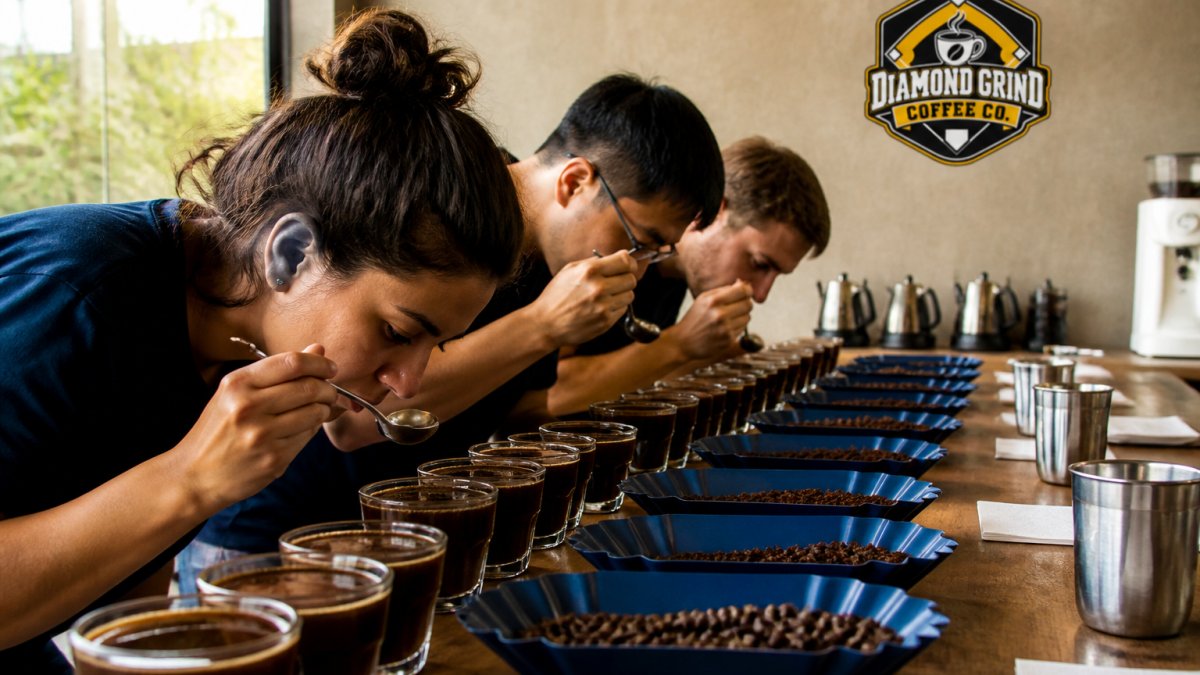
Fresh roasted coffee delivered through subscription services accommodates this naturally. Order multiple varieties in a single delivery. Diamond Grind Coffee's sample packs let teams explore different single-origin beans and roast levels without committing to full quantities of each.
Communicate with your team about preferences before ordering. A simple survey reveals what varieties people actually want. This prevents waste and ensures the office coffee selection genuinely excites people rather than sitting unused.
Consider your brewing equipment. If the office has both espresso machines and drip makers, order espresso grind and standard grind in separate shipments. If cold brew is popular, coarse grind serves that need. Matching coffee delivery to actual brewing methods prevents frustration and waste.
Fresh roasted coffee delivered to your office transforms the daily coffee experience from convenience to genuine enjoyment. The ritual of brewing better coffee creates a moment of intention before work accelerates. Teams with access to premium fresh roasted coffee delivered report sharper focus and better collaboration during morning meetings.
Start with Diamond Grind Coffee's sample packs to explore what your team actually prefers. Our roast-to-order model ensures every bag arrives at peak freshness, with free U.S. shipping and customizable grind options from whole bean to espresso. Set up your first subscription and experience the difference fresh roasted coffee delivered makes for your office.
Frequently Asked Questions
What makes fresh roasted coffee delivered to your office different from grocery store coffee?
Fresh roasted coffee roasted after your order ships the same day, delivering bold, vibrant flavor within days of roasting. Grocery store coffee sits on shelves for weeks or months, losing aroma and complexity. The roast date matters: same-day roasting and quick delivery mean your office gets coffee at its peak, not stale beans.
How do I estimate how much whole bean coffee delivery my office actually needs each month?
Start by counting regular coffee drinkers and their habits. Track consumption for two weeks, then adjust your coffee subscription for office orders accordingly. Most offices find a recurring delivery every 2-3 weeks prevents both shortages and stale inventory.
Can I use fresh roasted coffee in a Nespresso machine or Keurig, or does it only work for pour-over?
Fresh roasted coffee works in any brewing method when ground to the right size. Whole bean coffee delivery gives you control: request espresso grind for Nespresso machines, standard grind for drip machines, or coarse for French press. The grind consistency matters more than the brewing method. Diamond Grind Coffee offers customizable grind options from whole bean to espresso, so your office can brew however your team prefers.
What should I look for in an office coffee delivery service to ensure reliability and freshness?
Check for roast dates printed on every bag, same-day shipping to minimize stale time, and flexible subscription options so you're not locked in. Reliable wholesale coffee for offices includes clear communication about delivery schedules and the ability to pause or adjust orders. Free shipping on U.S. orders saves budget. Read whether the roaster publishes their roast date and guarantees freshness windows, not just claims it.