 ultimate-guide
Does Roast Date Matter for Coffee? A 2026 Freshness Guide
Table of Contents
- What a Roast Date Actually Tells You
- Roast Date vs. Best-By Date: Why the Difference Matters
- The Coffee Degassing Process and Why Fresh Beans Need Rest
- The Peak Flavor Window for Coffee: How Long You Have
- How to Tell If Coffee Is Fresh: A Visual and Sensory Guide
- How to Store Coffee Beans for Freshness (Including Freezing)
- Conclusion
- Frequently Asked Questions
Last Updated: September 30, 2026
What a Roast Date Actually Tells You
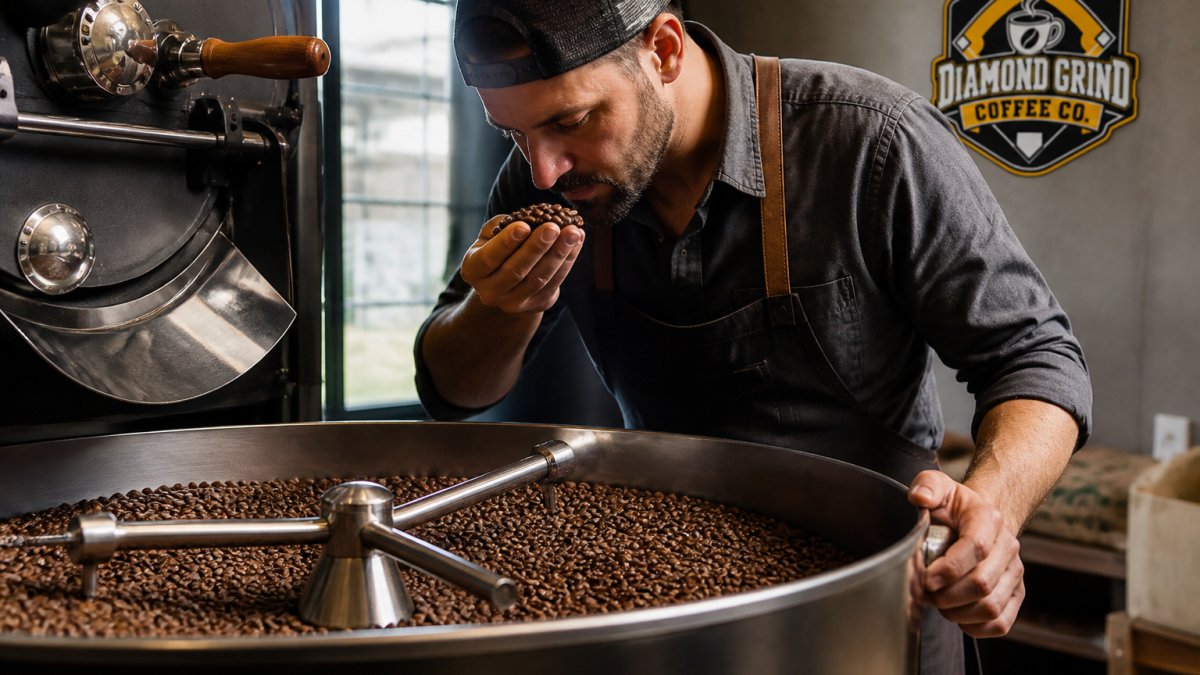
Does roast date matter for coffee? Yes, more than most labels suggest. The roast date is the day the beans finished roasting, and it starts a clock that governs flavor, aroma, and how the coffee behaves in your brewer. At Diamond Grind Coffee, every small-batch order is roasted after it's placed and shipped the same day, which is why we treat that printed date as the most useful information on a bag.
A roast date tells you how old the coffee is, not how long it will last in your pantry.
Coffee is a perishable agricultural product. Once roasted, beans begin losing volatile compounds to oxidation and releasing carbon dioxide from the roast itself. That process is why a bag roasted last week tastes brighter than one roasted three months ago, even when both were sealed identically. According to USDA food storage guidance, freshness windows vary widely by product type, and roasted coffee is no exception.
What most guides miss is that the roast date does double duty: it tells you how fresh the coffee is and roughly where it sits in its development. A bag roasted two days ago and one roasted two weeks ago are both "fresh" by broad definitions, but they brew very differently.
Roast Date vs. Best-By Date: Why the Difference Matters
A best-by date is a manufacturer's estimate of when quality starts to decline. A roast date records when the clock started. Only one is useful for judging flavor.
Best-by dates are typically set conservatively, often months out, because they account for unopened packaging and unknown storage conditions. They tell you almost nothing about how the beans were handled. A bag with a best-by date eight months away could have been roasted last week or last spring.
Roast dates are the opposite: specific, verifiable, and actionable. If a bag shows one, you can calculate exactly how long it has rested and decide whether it fits your brewing plan.
| Label Type | What It Records | Useful For | Limitation |
|---|---|---|---|
| Roast date | Day beans were roasted | Judging actual freshness | Rare on supermarket bags |
| Best-by date | Estimated quality cutoff | Rough shelf-life guide | Ignores storage conditions |
| Use-by date | Safety-oriented deadline | Perishable goods | Not standard for coffee |
If a roaster won't print a roast date, ask why. In practice, the bags without one are usually the ones that have been sitting longest.
The Coffee Degassing Process and Why Fresh Beans Need Rest
The coffee degassing process is the release of carbon dioxide trapped inside beans during roasting. That gas escapes over days to weeks and changes how your coffee extracts.
Roasting builds pressure inside the bean: carbon dioxide fills the porous structure, and as beans cool and rest, that gas works its way out. This is why a bag with a one-way valve puffs up, the valve lets CO2 escape without letting oxygen in. A compromised seal lets oxygen accelerate oxidation.
Brew too soon and escaping gas disrupts extraction: water can't contact the grounds evenly when CO2 pushes back, producing an uneven, sometimes sour or flat cup even from excellent beans. Wait too long and oxidation has stripped the volatile compounds that create aroma and acidity.
The Resting Window by Roast Profile
The resting period depends on roast profile, because darker roasts degas faster. Bean porosity increases with roast development, so a dark roast releases carbon dioxide more quickly and reaches brew-ready status sooner.
- Light roast: rest 7-10 days. Dense, less porous beans hold gas longer and often taste best once that gas has cleared.
- Medium roast: rest 4-7 days. The middle ground most brewers find forgiving across methods.
- Dark roast: rest 2-4 days. Highly porous beans degas fast and can taste flat if left too long.
For espresso, add a couple of days to each window. Espresso is unforgiving of trapped gas, and a shot from beans rested only one day often runs fast and tastes thin. Pour-over is more tolerant but still benefits from a proper rest.
The Peak Flavor Window for Coffee: How Long You Have
The peak flavor window for coffee is roughly 7 to 21 days after roasting for whole bean, depending on roast level and storage. Inside it, aroma, acidity, and body are at their most balanced, the coffee tastes the way the roaster intended.
Before the window opens, trapped carbon dioxide interferes with extraction; after it closes, oxidation has stripped the volatile compounds that carry aroma and acidity.
What Actually Shifts the Window
Four variables move the peak window earlier or later, letting you calculate your own instead of relying on a generic number.
A Practical Way to Find Your Window
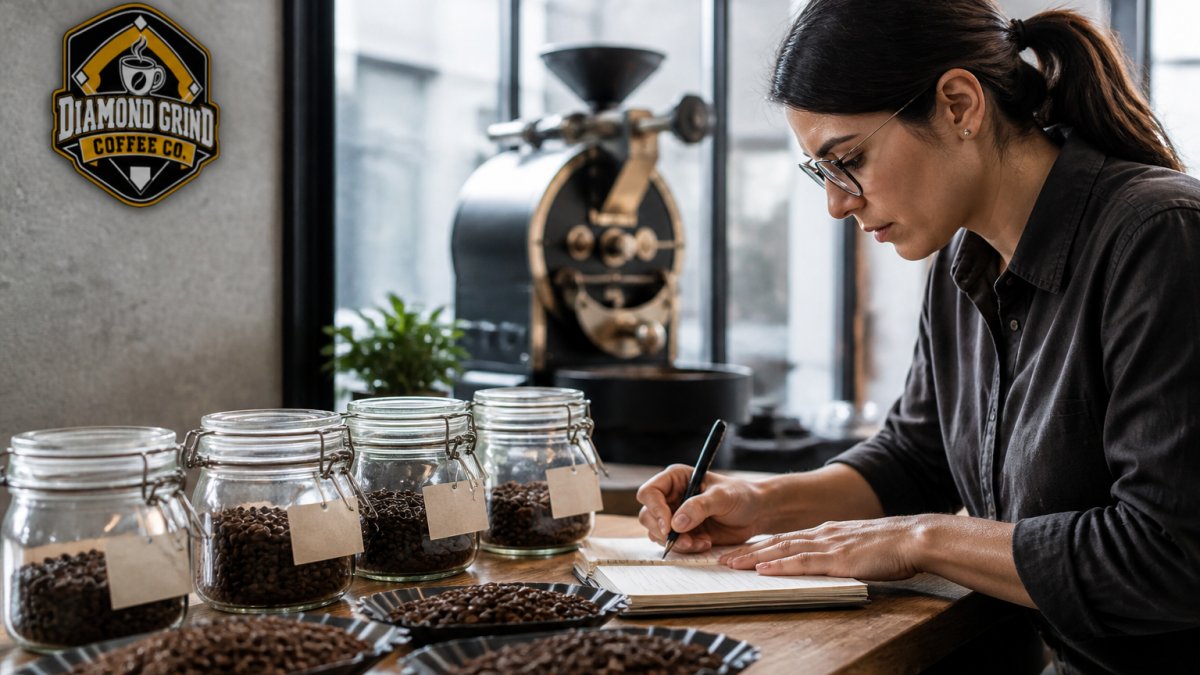
Instead of trusting a single number, brew the same coffee at day 3, day 7, day 14, and day 21 after roast, keeping grind, dose, water temperature, and ratio constant. Note where the cup tastes brightest and most balanced, that's your window for that bean, roast level, and storage setup. Repeat with a different roast level and you'll see it shift, usually earlier for dark roasts and later for light roasts and high-altitude lots.
How to Tell If Coffee Is Fresh: A Visual and Sensory Guide
Learning how to tell if coffee is fresh comes down to four checks, smell, look, feel, and taste, runnable in under a minute.
How to Store Coffee Beans for Freshness (Including Freezing)
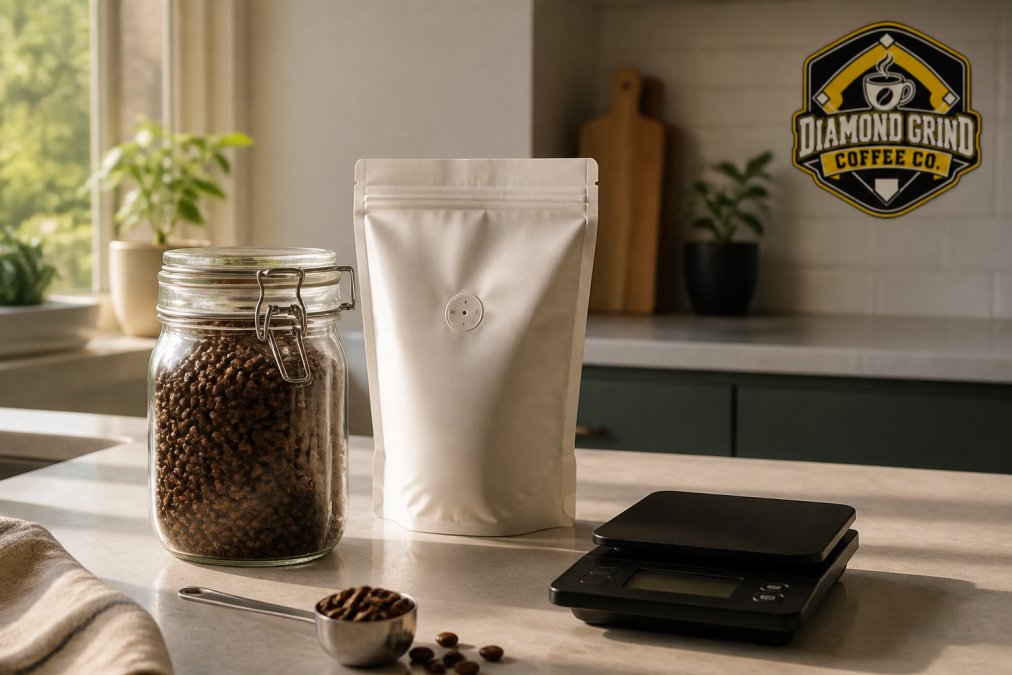
Knowing how to store coffee beans for freshness protects everything the roast date promised. The enemies are oxygen, moisture, heat, and light, in that order. Most guides stop at "keep it in an airtight container", but the storage decision that actually extends the roast date, and the one almost no guide explains properly, is freezing.
The Pantry Baseline
For coffee you'll finish within the peak window, the rules are simple:
- Keep beans in an airtight container or the original one-way valve bag
- Store away from light, heat, and the stove
- Buy in quantities you'll finish within the peak window
- Never refrigerate, since condensation cycles damage beans
Why Freezing Works: The Mechanism
Freezing is the method most people get wrong, and the one worth learning, because it's the only home technique that genuinely pauses the roast date rather than just slowing it.
How to Freeze Coffee Correctly
- Portion before freezing. Divide beans into single-use portions, roughly a week's worth per container, or a single dose if you're dialing in espresso. Once a portion is thawed, don't refreeze it.
- Seal with minimal headspace. Vacuum-sealed bags are ideal. A tightly sealed bag with as much air pressed out as possible is the practical alternative. Mason jars work if filled nearly to the top.
- Freeze immediately after roasting's rest window. For most beans, that means freezing around day 5-10, once degassing has settled but before oxidation has done meaningful damage.
- Thaw before opening. Take out one portion and let it come fully to room temperature before breaking the seal. This is the step people skip, and it's the one that ruins the batch.
- Grind immediately after thawing. Once thawed, the clock restarts. Grind and brew the same day for best results.
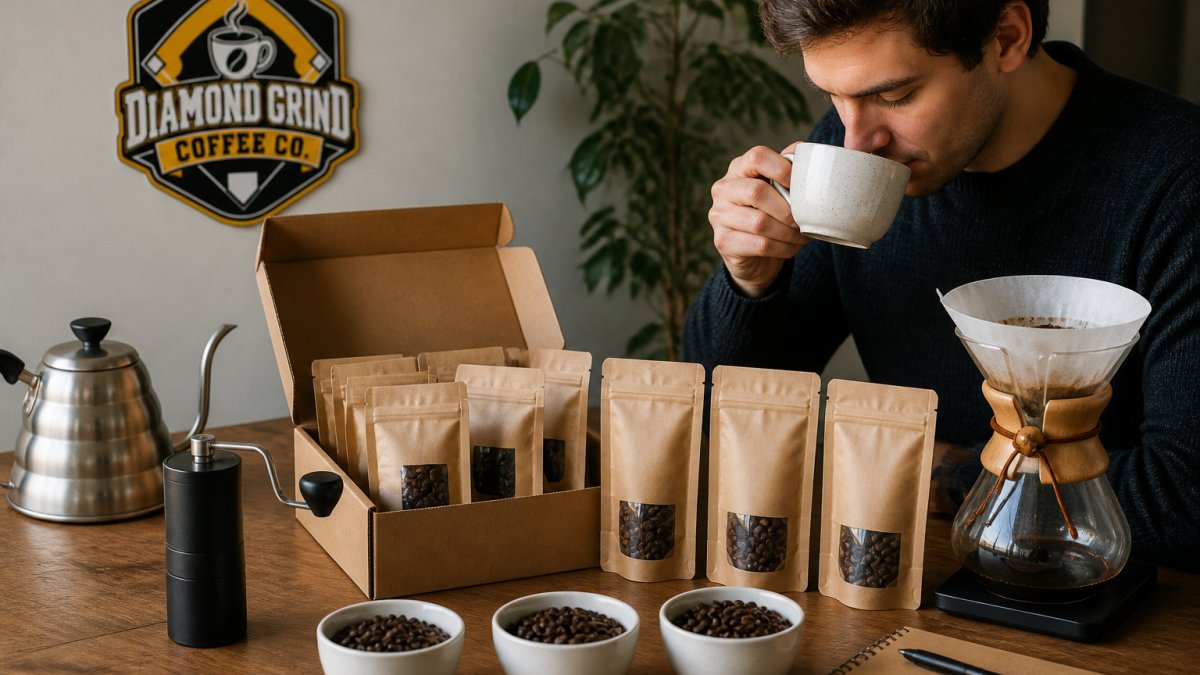
A practical approach: order a sample pack to find what you love, then buy full bags of your favorites and freeze the surplus in week-sized portions. Every cup stays inside the freshness window without waste, and you can keep a rotating stock of several origins instead of racing through one bag before it fades.

Conclusion
The roast date is the most honest number on a coffee bag, and the one worth checking before anything else. It tells you how long the beans have rested, whether they're inside the peak flavor window, and how to adjust your brewing. Bags without one are a gamble; bags with one, stored well, give you a predictable, repeatable cup.
Frequently Asked Questions
How long after the roast date is coffee good?
Most whole bean coffee tastes best between 4 and 21 days after roasting, with the peak flavor window for coffee usually landing around 7 to 14 days for medium roasts. After about 4 to 6 weeks, oxidation and flavor degradation become noticeable, especially in pre-ground coffee. Past 3 months, the coffee is typically safe to drink but tastes flat, cardboard-like, and loses most of its aroma and acidity.
What is the difference between a roast date and a best-by date?
A roast date tells you the exact day the beans were roasted, which is the number that actually predicts freshness. A best-by date is a manufacturer estimate, often set 9 to 12 months after packaging, and says nothing about how long the coffee has already been sitting on a shelf. If a bag only shows a best-by date, you have no way to know the true age, so roast date is the more useful number.
How does the coffee degassing process affect flavor?
Right after roasting, beans release carbon dioxide in a process called degassing. Too much CO2 during brewing causes uneven extraction and a sour, gassy cup, which is why baristas look for the bloom when pouring hot water. Resting beans for 3 to 7 days lets most of that gas escape, so the peak flavor window for coffee opens up and the flavor profile tastes balanced rather than sharp.
Does storing coffee in the freezer extend its freshness?
Yes, freezing slows oxidation and can keep whole bean coffee near peak flavor for 1 to 3 months or longer. Use an airtight container or the original one-way valve bag, squeeze out excess air, and only thaw what you plan to brew. Never refreeze thawed beans, and avoid the fridge door, where temperature swings and moisture speed up flavor degradation instead of preventing it.