 comparison
Koffee Kult Alternative for Fresh Coffee: 2026 Guide
Table of Contents
- Why a Roast-to-Order Alternative Beats Shelf Coffee
- Five Fresh Coffee Alternatives to Compare
- 6 Bean Blend: The Dark Roast Built for Espresso
- House Blend and Breakfast Blend: Smooth Medium Roasts
- Cowboy Blend and Latin American Blend: Flavor-Forward Picks
- What the Best Small-Batch Coffee Roasters Get Right
- How to Store Fresh Coffee Beans
- How to Choose Your Koffee Kult Alternative
- Frequently Asked Questions
Last Updated: October 4, 2026
Why a Roast-to-Order Alternative Beats Shelf Coffee
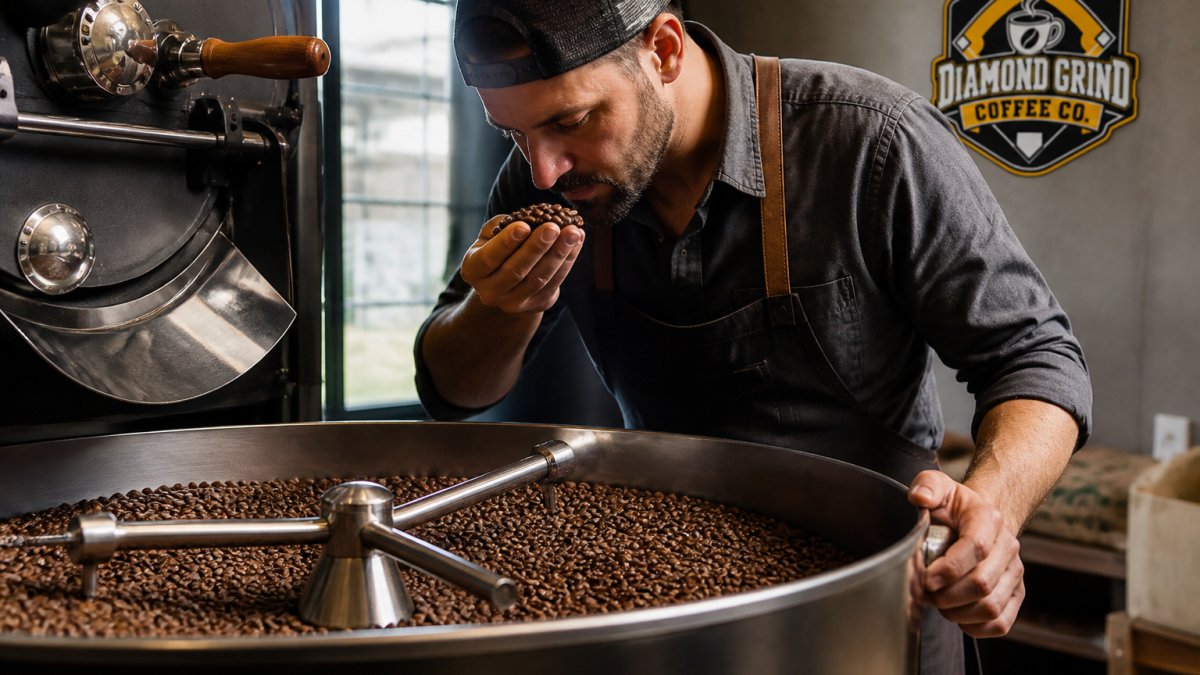
If you are hunting for a Koffee Kult alternative for fresh coffee, the roast date on the bag matters more than the brand name above it. Coffee loses its best qualities within days of roasting, not months, so a bag that sat in a warehouse for weeks tastes flat no matter how good the beans were. At Diamond Grind Coffee, we roast every small-batch order the same day it ships.
What "Fresh" Actually Means on a Coffee Bag
Fresh coffee is coffee that was roasted recently, typically within two to four weeks of the date you brew it. The Specialty Coffee Association's freshness guidance treats roast date, not a generic "best by" stamp, as the number that actually predicts flavor. Roasted beans release carbon dioxide for several days after roasting, a process called degassing. Brew too soon and the gas interferes with extraction; wait too long and the oils that carry aroma start to fade.
The Roast-to-Order Coffee Benefits That Matter Most
Roast-to-order coffee benefits come down to one thing: the gap between the roaster and your grinder shrinks to days instead of months, preserving aroma, acidity, and the intended tasting notes. A second benefit people overlook: when coffee is roasted after you order, the roaster can grind it to match your brewing method, whether whole bean for a burr grinder or coarse for cold brew.
Five Fresh Coffee Alternatives to Compare
Every blend below is roasted to order and priced at $24.99 per bag. The differences come down to roast level, origin, and what each one does best in the cup.
| Blend | Roast Level | Tasting Notes | Best For |
|---|---|---|---|
| 6 Bean Blend | Dark | Bold, espresso-ready | Espresso and moka pot |
| House Blend | Medium | Nutty, sweet chocolate, citrus | Drip and pour-over |
| Breakfast Blend | Medium | Smooth, balanced | Morning drip |
| Cowboy Blend | Dark and medium | Cocoa, caramel, vanilla | French press |
| Latin American Blend | Medium-dark | Nutty, fruity, cocoa finish | Aeropress and drip |
What the $24.99 Price Actually Buys You
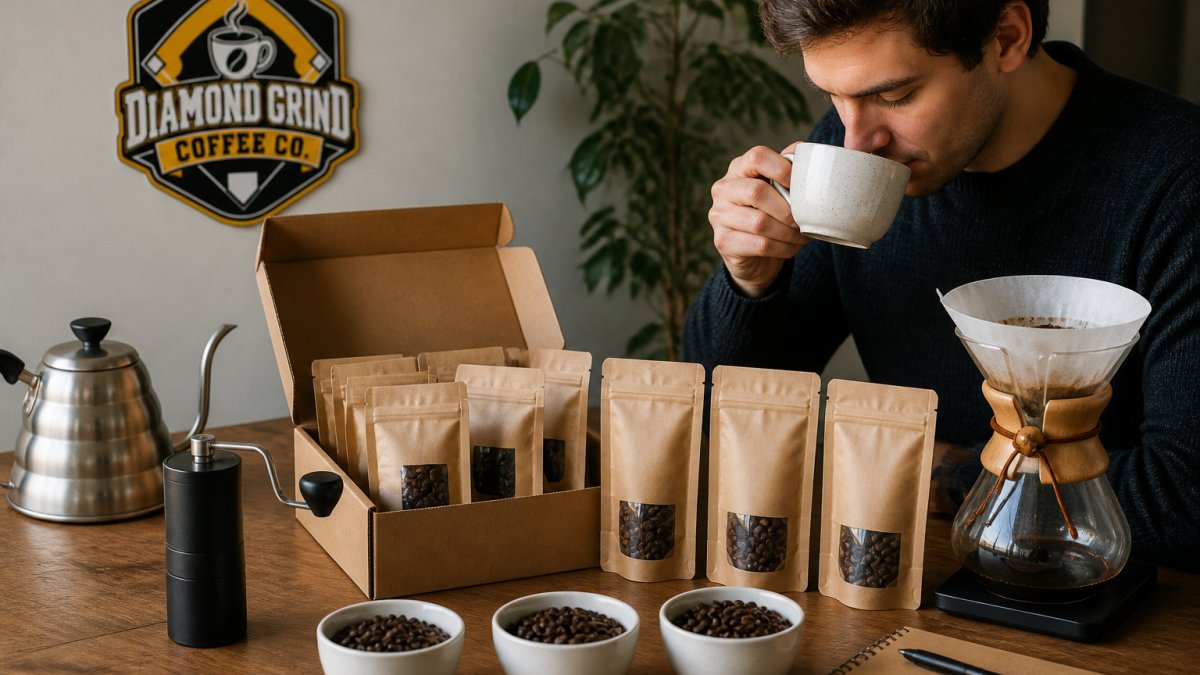
The $24.99 price reflects a 12-ounce bag roasted the day it ships, not a commodity product pulled from a distribution center. You are paying for the roast date, the small-batch size, and a grind matched to your brewer. If you want to sample before committing to a full bag, our sample packs let you explore single origins and flavored varieties without buying blind.

6 Bean Blend: The Dark Roast Built for Espresso
The 6 Bean Blend is a dark roast house blend pulled from coffees around the world, and it is our pick for anyone running an espresso machine. Dark roasts hold up against the pressure and short extraction time of espresso, producing a thicker body and a crema that actually forms. This blend's darker profile pushes toward bittersweet chocolate rather than bright fruit.

House Blend and Breakfast Blend: Smooth Medium Roasts
The House Blend is a medium roast drawn from Central and South American coffees, with a medium body and tasting notes of nutty, sweet chocolate, mild citrus, and a clean, bright finish.
The Breakfast Blend is a medium roast built from a smooth blend of South American coffee. It is the easier of the two to drink black. Where House Blend leans bright and citrusy, Breakfast Blend stays round and mellow.

Cowboy Blend and Latin American Blend: Flavor-Forward Picks
Cowboy Blend combines dark and medium roasted coffee for cocoa, caramel, and vanilla tones, a natural fit for a French press where a fuller body shines. The Latin American Blend is a medium-dark roast of select Latin American coffees, offering nutty hints, mild fruity tones, and a gentle cocoa aftertaste. Its beans are shade grown in Central American rainforests and in volcanic soil near the Amazon, washed with environmentally friendly methods and sun dried for up to seven days.
What the Best Small-Batch Coffee Roasters Get Right
The best small-batch coffee roasters share one habit: they roast against orders instead of forecasting demand months out.
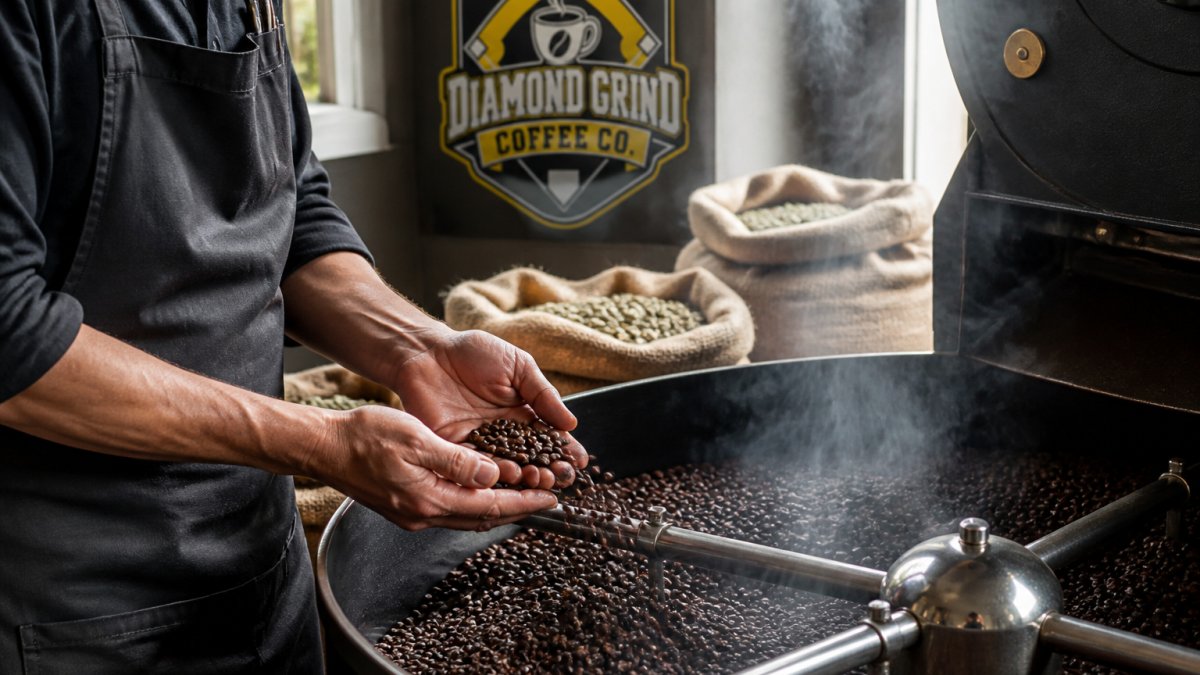
The trade-off is real. Small-batch roasters run smaller volumes, so popular blends can sell out, and you may wait a day or two longer than you would grabbing a bag at the store.
How to Store Fresh Coffee Beans
Storing fresh coffee is a fight against three things: oxygen, moisture, and heat. Each attacks a different part of the bean, which explains why some habits help and others quietly ruin a bag.
Oxygen oxidizes the oils that carry aroma, the mechanism behind the cardboard smell of an old bag. Moisture accelerates staling and can push a bean toward mold if it stays damp. Heat speeds up every chemical reaction, including the ones you want to slow down.
Here is what actually works, in order of impact:
- Keep the roast date visible. You cannot store what you cannot date.
- Use an opaque, airtight container with a one-way degassing valve. The valve lets carbon dioxide escape without letting oxygen in. A mason jar with a tight lid works, but a valve-equipped canister is better in the first week after roast.
- Store at room temperature, away from the stove, the window, and the top of the fridge, the most common heat sources in a kitchen.
- Buy whole bean and grind right before brewing. Pre-ground coffee exposes far more surface area to oxygen, so it stales faster. If you must buy pre-ground, finish it within a week or two.
- Match bag size to your drinking pace. A 12-ounce bag you finish in two to three weeks will taste better than a two-pound bag you finish in two months, even if the larger bag costs less per ounce.
The Freezer Question, Answered Properly
- Freeze for long-term storage, not daily use. If you buy more than you can drink in three weeks, portion the excess into small, airtight, valve-free bags, squeeze out the air, and freeze once. Let a portion come to room temperature before opening.
- Do not freeze and re-freeze the same bag. Every time you open a cold bag, warm humid air condenses on the beans. That moisture is worse for flavor than the freezer ever was.
- Skip the fridge entirely. Refrigerators cycle temperature constantly and are full of moisture and food odors that coffee absorbs readily.
A Simple Freshness Test
If you are unsure whether a bag is still good, grind a small amount and pour hot water over it. Fresh coffee blooms, puffing up and releasing visible gas; flat, lifeless grounds that barely react are past their prime.
How to Choose Your Koffee Kult Alternative
Choosing an alternative is not about finding a bag that tastes identical. It is about matching three variables to your setup: roast level, grind size, and water. Most people only think about the first one, which is why a new bag can taste disappointing even when the beans are better.
Step 1: Match the Roast to Your Brew Method
Roast level changes how a bean extracts, and brew methods extract at very different rates.
- Espresso and moka pot push water through coffee fast and under pressure. Darker roasts dissolve more readily, pulling sweeter, thicker shots. Start with the 6 Bean Blend.
- Drip and pour-over give you more contact time and more control. Medium roasts show their acidity and clarity here. The House Blend and Breakfast Blend are built for this.
- Aeropress sits between espresso and drip. A medium-dark roast like the Latin American Blend gives you body without losing the nutty, fruity notes.
Step 2: Recalibrate Your Grind When You Switch Roasters
This is the step almost every guide skips, and it decides whether your first bag from a new roaster tastes great or mediocre.
Darker roasts are more brittle and soluble. Switching from a medium to a dark roast at the same grinder setting makes the dark beans fracture into more fines and extract faster, so the same recipe can suddenly taste bitter or muddy.
A practical routine for a new bag:
- Brew your normal recipe at your current grinder setting.
- Taste. If it is bitter or harsh, go coarser. If it is sour or thin, go finer.
- Change one variable at a time and keep the dose and water the same.
- Give the beans three to five days after the roast date before you judge them. Very fresh beans degas and can extract unevenly.
Step 3: Fix Your Water Before You Blame the Beans
Two things matter: mineral content and the absence of chlorine.
- Chlorine and chloramine flatten aroma. If your tap water smells like a pool, filter it. A basic carbon filter is enough.
- Hard water (high in calcium and magnesium) can over-extract and leave a chalky aftertaste. Soft or distilled water under-extracts and tastes flat and hollow.
- The middle ground is what you want. Most specialty roasters aim for water with moderate mineral content, roughly the range the Specialty Coffee Association describes in its water quality guidance. If you do not want to build water from scratch, mix filtered tap water with low-mineral bottled water until the cup tastes balanced rather than sharp or dull.
Step 4: Let the Roast Date Be Your Guide
Once roast, grind, and water are dialed in, the decision gets simple. Order one bag at a time until you know what you like. Check the roast date, not the marketing copy. Brew within two to four weeks of that date, and adjust your grind as you move between blends. That routine will do more for your coffee than any single bag ever will.
Frequently Asked Questions
What should I look for when choosing a fresh coffee roaster?
Check four things: whether the roaster publishes roast dates on the bag, whether orders are roasted after purchase rather than pulled from warehouse stock, what grind options are available, and how the coffee is shipped. A roaster that roasts the same day it ships, like Diamond Grind Coffee, removes the guesswork. Also confirm the bag has a one-way degassing valve, which keeps oxygen out while letting carbon dioxide escape after roasting.
How does roast-to-order coffee differ from store-bought beans?
Supermarket beans often sit for months before you buy them, so the roast-to-order coffee benefits are mostly about timing. Coffee tastes best roughly 4 to 14 days after roasting, once it has degassed. Beans roasted after you order arrive inside that window. Bagged coffee on a shelf has usually passed it. That gap shows up in aroma, crema on espresso, and how flat the cup tastes by week six.
How can I tell if my coffee beans are truly fresh?
Look for a printed roast date, not just a best-by date. Fresh beans smell sweet and complex when you open the bag; stale beans smell papery or like cardboard. Fresh beans also bloom visibly when hot water hits them, puffing up and releasing gas. If your pour-over barely bubbles, the beans have likely lost most of their carbon dioxide and much of their flavor.
Are there small-batch coffee roasters that offer free shipping?
Yes. Diamond Grind Coffee offers free shipping on U.S. orders, and every order is roasted the same day it ships. That combination matters because shipping speed affects freshness as much as roast date does. Slow transit adds days to the clock before the bag even reaches your kitchen. Ask any roaster how quickly orders leave the facility after roasting before you commit to a subscription.
What are the benefits of choosing single-origin coffee over blends?
Single-origin coffee highlights one region's specific flavor profile, so you can taste how soil, altitude, and processing shape the cup. Blends, by contrast, are built for consistency and balance. Diamond Grind Coffee's blends, such as the medium-roast House Blend with nutty and sweet chocolate notes, are designed to taste the same every time. If you want variety, try single origins; if you want a reliable daily cup, blends deliver it.
Finding a Koffee Kult alternative for fresh coffee is really a question of trusting the roast date over the brand name. Diamond Grind Coffee roasts your small-batch order the same day it ships, offers customizable grind options from whole bean to espresso, and includes free shipping on U.S. orders so you can try a single bag without overcommitting. Get started with Diamond Grind Coffee and taste what a shorter trip from roaster to cup actually does.