 Ultimate guide
What Is the Healthiest, Cleanest Coffee? A Buyer's Guide
Last Updated: November 15, 2026
Quick Summary
The cleanest coffee is freshly roasted, with a documented supply chain and published test results, not a toxin-free sticker. Look for a known origin, a published roast date, and batch-specific lab reports you can actually read. At Diamond Grind Coffee, we roast after you order and ship the same day.
- A medium roast brewed through a paper filter is a practical choice for daily drinking.
- A mold-free label without a published, batch-specific test report is a claim to verify.
- Check that a lab report names the laboratory, lot number, analytes, units, and detection limits.
- The healthiest organic coffee brands share certified sourcing, published roast dates, transparent testing, and clear origin.
- Buy whole beans in quantities you will finish within a few weeks and grind right before brewing.
Table of Contents
- Defining Healthy and Clean Coffee Without the Marketing Spin
- The Healthiest Coffee to Drink Daily: Roast, Dose, and Brewing Method
- Mold-Free Coffee: What Mycotoxin Claims Get Right and Wrong
- Coffee Lab Testing: How to Read a Test Report Before You Buy
- Healthiest Organic Coffee Brands: What to Look For on the Label
- Building a Clean Coffee Routine That Fits Your Budget
- Choosing Your First Bag of Freshly Roasted Coffee
- Frequently Asked Questions
Defining Healthy and Clean Coffee Without the Marketing Spin
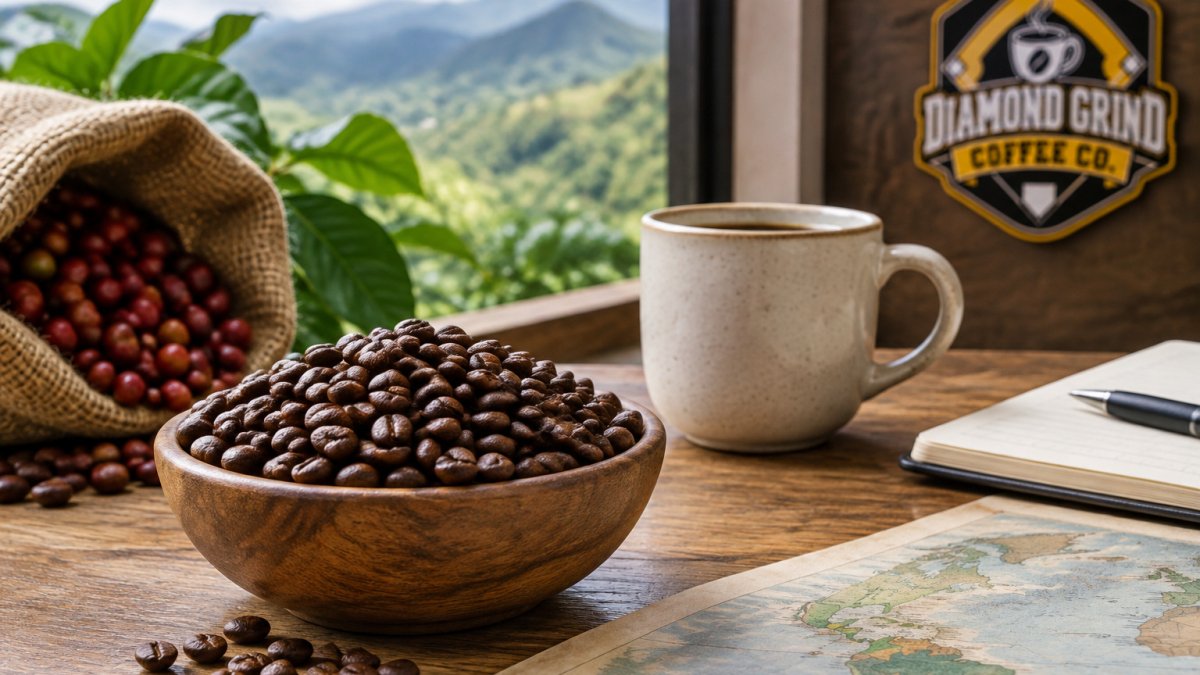
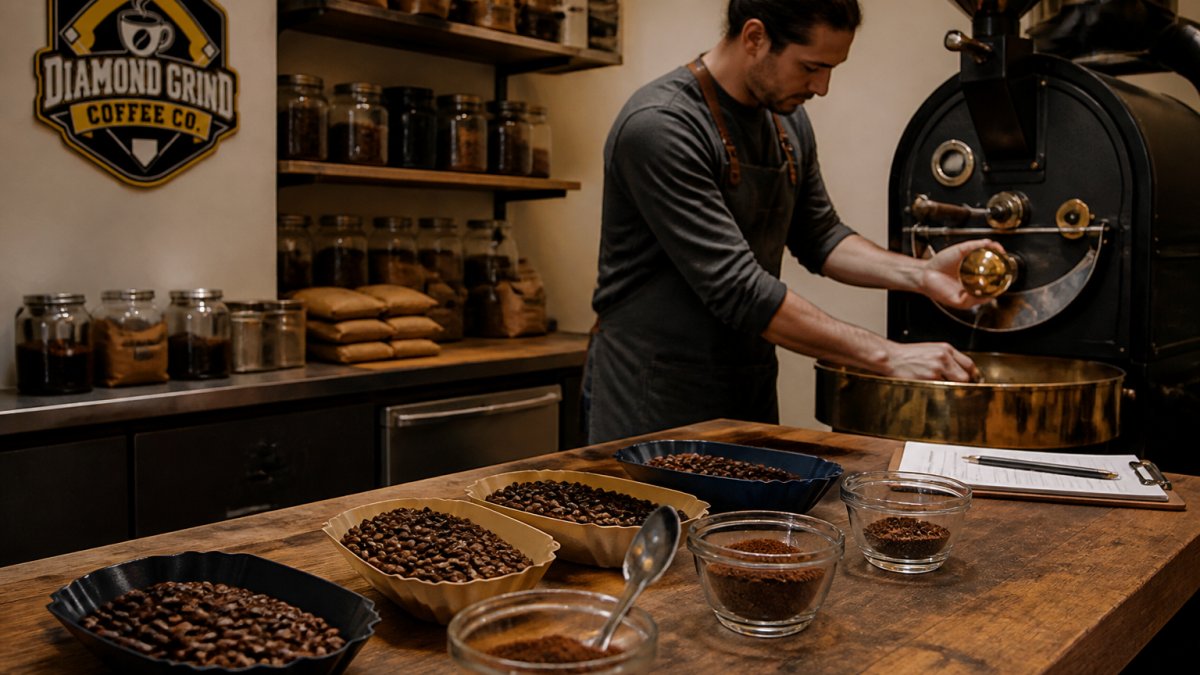
The cleanest coffee is freshly roasted, with a documented supply chain and published test results, and is not defined by a "toxin-free" sticker. At Diamond Grind Coffee, we roast after you order and ship the same day, so your coffee arrives freshly roasted rather than sitting in a warehouse for months.
Clean coffee is coffee with a documented supply chain: a known origin, a published roast date, and test results you can actually read. Everything beyond that is marketing until proven otherwise.
What Clean Actually Means on a Coffee Bag
Three things matter more than any badge on the front of the bag: the roast date, the origin traceability, and whether the roaster publishes contaminant testing. A "chemical-free" claim means little because coffee is a roasted seed, not a formulated product. What you want to verify is how the beans were grown, processed, stored, and tested. For foundational context on beans and storage, our coffee basics guides cover the practical essentials.
The Healthiest Coffee to Drink Daily: Roast, Dose, and Brewing Method
For daily drinking, a medium roast brewed through a paper filter is a practical choice. Brew method and dose shape your cup's flavor more than roast color does.
Lighter roasts and darker roasts differ in flavor, with darker roasts generally tasting smoother and less acidic. If you prefer a French press, a French press coffee ratio guide removes the guesswork from grind and steep time.
Filtered vs. Unfiltered: Why Your Brew Method Matters
Paper filters and unfiltered methods such as French press, espresso, and Turkish coffee produce cups with different body and texture.
Mold-Free Coffee: What Mycotoxin Claims Get Right and Wrong
Mold and mycotoxins are a legitimate concern for green coffee, and a label alone cannot tell you whether a specific batch was actually tested, how it was sampled, or what the detection limit was.
Ochratoxin A is the mycotoxin most often discussed in coffee, and mold can grow on green beans before roasting, so post-harvest handling and lot-level testing matter.
What testing can establish is limited by three things. First, sampling: mycotoxins are not uniformly distributed across a lot, so a small scoop from one corner of a bag tells you little about the rest. Competent programs use aggregate or incremental sampling across a lot, and a report that does not state the sample mass and sampling method is hard to interpret. Second, detection limits: a result of "not detected" only means the level was below the method's limit of detection, and that limit can vary by an order of magnitude between labs and methods. A report showing "not detected at 0.5 ppb" is a stronger statement than "not detected at 5 ppb." Third, analyte coverage: a report that screens for ochratoxin A but not for other mycotoxins, pesticide residues, or heavy metals answers a narrower question than the badge implies.
Watch out: a "mold-free" label without a published, batch-specific test report is a claim to verify rather than accept. The meaningful questions are which analytes were screened, at what detection limit, on what sample, and by which laboratory.
Coffee Lab Testing: How to Read a Test Report Before You Buy
A useful lab report names the testing laboratory, the batch or lot number, the compounds screened, the sample mass and sampling method, the units, and the detection limits. Most shoppers stop at the logo; the interpretation lives in the details. Read a report in this order and you will separate a real testing program from a badge.
Start with the laboratory. An independent, accredited lab carries more weight than an in-house screen with no external oversight. Accreditation does not guarantee the result is relevant to your bag, but it tells you the method was validated and the lab is audited. A report with no lab name, no method reference, and no accreditation statement is a marketing document, not a test report.
Next, confirm the batch. A report tied to a specific lot number and roast date tells you about the coffee in your bag; a single certificate reused across a year of production tells you about a sample that may no longer exist. Match the lot number on the report to the lot number on the bag, and check the report date against the roast date. A report older than the coffee is a red flag.
Then read the analytes and units. Contaminant results should always be reported with units, and the units should be checked before you interpret a number. A number without a unit is not a result. Check whether the panel covers ochratoxin A, pesticide residues, and heavy metals such as lead and cadmium, a report that screens only one category answers a narrower question than the badge suggests.
Detection limits are where most readers get fooled. "Not detected" means below the method's limit of detection, and that limit varies by lab and method. A result of "not detected at 0.5 ppb" is a stronger statement than "not detected at 5 ppb," and a report that omits the limit entirely leaves you unable to judge. Look for the limit of detection or limit of quantification next to each analyte, and treat a vague pass/fail line as no result at all.
Finally, check the sample. Mycotoxins and contaminants are not uniformly distributed, so the sample mass and sampling method determine how much the result tells you about the lot. A report that states the aggregate sample mass and the sampling protocol is more credible than one that reports a single grab sample with no method. Understanding why roast date matters helps you judge whether a report reflects the coffee actually in your bag.
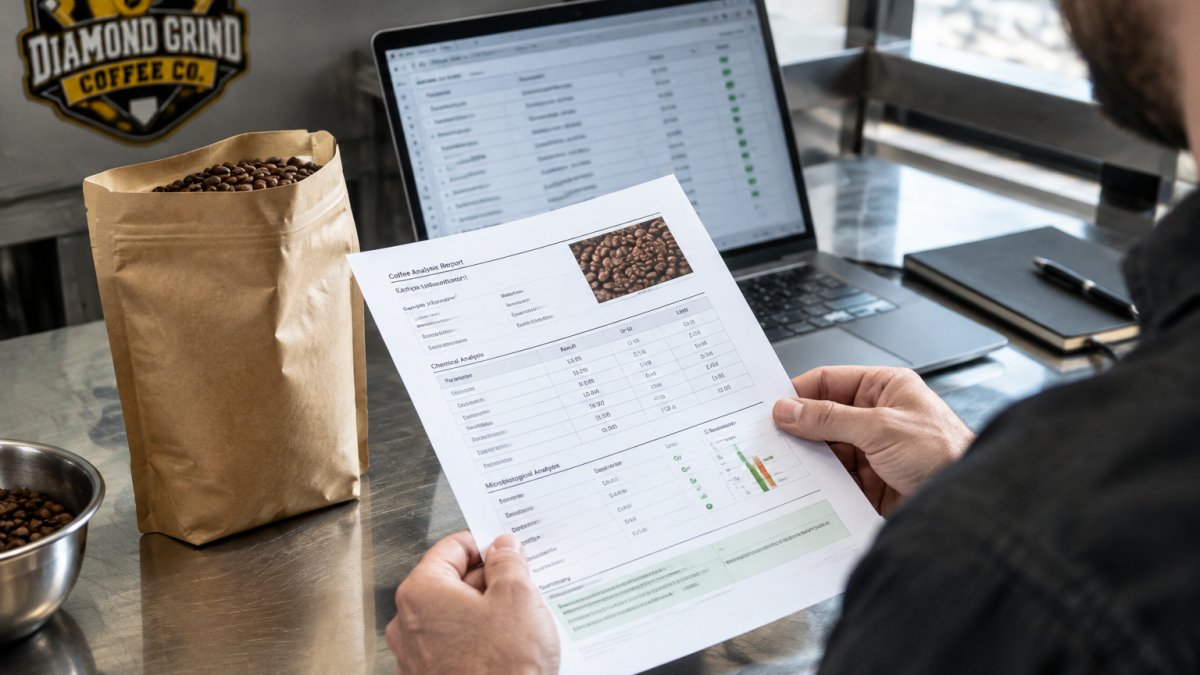
Watch out: a testing badge on the front of a bag is not a substitute for the report behind it. If the roaster cannot or will not share the batch-specific report with the analyte list, units, detection limits, and lab name, treat the badge as a claim rather than a verification.
Healthiest Organic Coffee Brands: What to Look For on the Label
The healthiest organic coffee brands share four habits: certified organic sourcing, published roast dates, transparent testing, and clear origin information. Certification from the USDA National Organic Program verifies growing and handling standards, though it does not by itself confirm mycotoxin testing.
Look for single-origin coffee where possible. A named farm or cooperative tells you more about traceability than a generic blend label. Our Ethiopia Natural is sourced from smallholder farmers in the Sidama zone.
| What to Check | Why It Matters | Red Flag |
|---|---|---|
| Roast date | Freshness and flavor | "Best by" only |
| Organic certification | Verified growing standards | Unverified "natural" claim |
| Batch test report | Contaminant confirmation | No report available |
| Named origin | Supply chain traceability | Vague "house blend" |
Building a Clean Coffee Routine That Fits Your Budget
A clean coffee routine is a habit, not a splurge: buy whole beans in quantities you will finish within a few weeks, store them airtight and away from light, and grind right before brewing. Buying freshly roasted coffee at a set price per bag makes budgeting simple, and a coffee subscription lets you match delivery to how fast you actually drink.
Freezing beans is only worth considering for supplies lasting longer than a month, and the bag should stay sealed.
Choosing Your First Bag of Freshly Roasted Coffee
Start with a medium roast if you are unsure, then explore. Our single origin sampler pack includes six 2-ounce single origin coffees, including Brazil Santos and Ethiopia Natural, so you can explore before committing to a full bag.
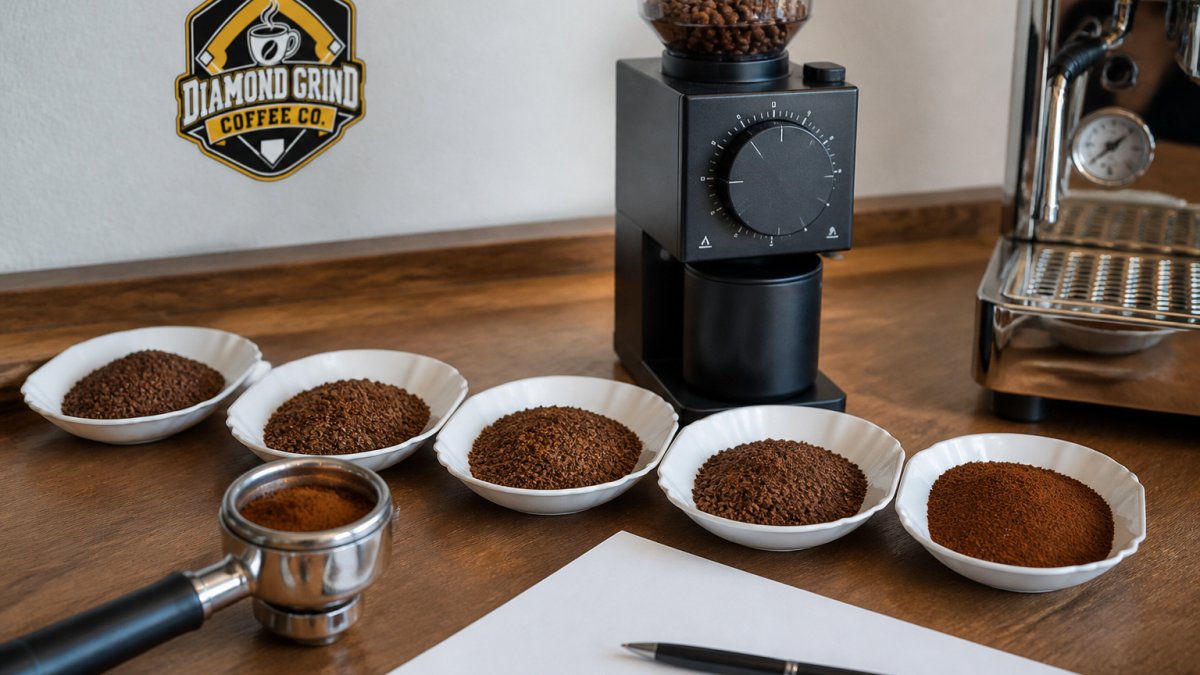
Order whole bean if you own a grinder, or choose your grind at checkout from whole bean, standard, espresso, or coarse. Every bag is roasted after you order and ships the same day, with free U.S. shipping.
The hardest part of drinking cleaner coffee is not finding information, it is finding a roaster willing to show its work. Diamond Grind Coffee roasts your order the day it ships, offers customizable grind options from whole bean to espresso, and lets you explore single origins through sample packs before you commit. Get started with Diamond Grind Coffee and taste the difference fresh roasting makes in your daily cup.
Frequently Asked Questions
What is the safest, healthiest coffee to drink?
A reasonable choice is coffee with clear sourcing, and brewing through a paper filter gives you a cleaner-tasting cup. Look for certified organic beans, a published roast date, and a brand that shares batch-level lab results. Medium roasts and darker roasts differ mainly in flavor and acidity.
Is organic coffee healthier than conventional coffee?
Organic certification restricts synthetic pesticide use during growing. Many people choose organic coffee for environmental and farm-worker reasons. If mold and mycotoxins worry you more, ask for lab testing data, because organic certification alone does not test for those contaminants.
Does mold-free coffee offer real health benefits?
Mold-free coffee refers to coffee with low mold and mycotoxin levels, and whether a given bag meets that standard depends on its testing. The practical takeaway: buy from roasters who publish batch-level mycotoxin testing and store beans in a cool, dry place.
Is filtered coffee healthier than unfiltered coffee?
For most people, yes. Paper-filtered and unfiltered methods such as French press, Turkish, and espresso produce cups with different body and texture. Choose the method that suits the flavor you prefer.
What is the cleanest organic coffee you can buy?
A certified organic, single-origin coffee with a published roast date and batch-level lab results is a practical option to look for. Single-origin beans are easier to trace back to a farm or cooperative than blends. Ask the roaster whether they test every batch or only periodically, and check that the test report lists detection limits. Freshness also matters: check the roast date before you buy.
Can I drink clean coffee every day?
If you have questions about how much caffeine suits you, especially if you are pregnant, take medication, or have a heart condition, check with your doctor.