 How-to
How to Troubleshoot Bitter Coffee at Home
Last Updated: November 8, 2026
Quick Summary
Bitter coffee almost always comes from over-extraction: hot water pulling too many bitter compounds out of the grounds. Fix it by adjusting one variable at a time, starting with grind size, then brew time, water temperature, and dose. Move your grind one notch coarser and taste again before changing anything else.
- Bitterness is a sharp, lingering taste at the back of the tongue; sourness hits the sides.
- Let the kettle rest about thirty seconds after boiling so water sits just below boiling.
- Start with roughly two tablespoons of coffee per six ounces of water, then adjust for strength.
- Cut a five-minute French press steep down to three minutes to reduce contact time.
- A tiny pinch of salt, about the size of a grain of rice, blocks bitterness without adding sweetness.
Table of Contents
- Start With a Diagnostic: Why Coffee Tastes Bitter
- How to Make Coffee Less Bitter: The Four Adjustments That Work
- How to Fix Bitter Coffee From a Coffee Maker
- How to Make Coffee Less Bitter Without Sugar
- When the Beans Are the Problem, Not Your Brewing
- Run a Controlled Test and Keep a Brew Log
- Order Fresh, Custom-Ground Beans From Diamond Grind Coffee
- Frequently Asked Questions
Start With a Diagnostic: Why Coffee Tastes Bitter
Bitter coffee almost always comes from over-extraction: hot water pulling too many bitter compounds out of the grounds. The fix is not a new machine. It is finding which variable pushed your brew too far.
Bitter coffee almost always traces back to four dials: grind, time, temperature, and dose. Turn one down, and the cup smooths out.
But first, you need to know what you are actually tasting. Bitterness gets blamed for a lot of problems it did not cause.
Bitterness vs. Sourness, Astringency, and Burnt Flavor
Bitterness is a sharp, lingering taste at the back of your tongue. It coats the mouth and stays there. Sourness hits the sides of your tongue and makes you wince. Astringency feels dry, like over-steeped tea. Burnt flavor tastes ashy and smoky, and it can come from the roast rather than the brew.
Here is the quick test we recommend:
- Bitter and drying: over-extraction, so grind coarser or shorten the brew
- Sour and thin: under-extraction, so grind finer or brew longer
- Ashy and smoky: dark roast or scorched grounds, so change beans
- Dry and puckering: too much coffee for the water, so lower the dose
Taste first, then act.
A Method-by-Method Diagnostic Flow
Different brewers fail in different ways. Start with the method you actually use, then work through its usual suspects in order.
- Drip coffee maker: check the grind first, then the water temperature, then the filter basket
- French press: shorten the steep time, then use a coarser grind
- Pour-over: coarsen the grind, then slow your pour
- Espresso: adjust the grind, then check your dose and shot time
Work top to bottom. Change one thing, taste, then move on.
How to Make Coffee Less Bitter: The Four Adjustments That Work
The four adjustments that reliably fix bitter coffee are grind size, brew time, water temperature, and dose. Change one at a time so you know which one worked.
Grind Size, Brew Time, Water Temperature, and Dose
Grind size is the biggest lever. A coarser grind gives water less surface area, so fewer bitter compounds land in your cup.
Brew time matters next. If your French press sits for five minutes, cut it to three.
Water temperature should sit just below boiling. Let the kettle rest for about thirty seconds after it boils.
Dose is the easiest to overlook. Too many grounds for the amount of water makes a concentrated, bitter cup.
For a deeper walkthrough on matching grind to your brewer, see our guide on how to grind coffee beans for a better cup. And if you want to dial in strength without guesswork, our coffee-to-water ratio guide walks you through the math.
These are the four adjustments that reliably fix bitter coffee, and how to apply each one.
| Adjustment | What to do | Why it works |
|---|---|---|
| Grind size | Move one notch coarser | Less surface area, fewer bitter compounds |
| Brew time | Cut French press from five minutes to three | Less contact time with hot water |
| Water temperature | Let kettle rest about thirty seconds after boiling | Boiling water scorches grounds and pulls burnt flavor |
| Dose | Roughly two tablespoons per six ounces of water | Too many grounds makes a concentrated, bitter cup |
How to Fix Bitter Coffee From a Coffee Maker
Bitter coffee from a drip machine usually means three things: the grind is too fine, the machine needs cleaning, or the beans are past their prime. Fix them in that order.
Start with the grind. Drip machines want a medium grind, similar to coarse sand. If yours is closer to powder, it will over-extract every time.
Next, clean the machine. Old coffee residue and mineral buildup from hard water can leave a bitter, stale edge.
Then check your water. Filtered water makes a noticeably smoother cup than straight tap. If your water is very hard, a simple pitcher filter is worth the counter space.
Finally, look at the beans. For help picking beans that suit a drip machine, read our guide on the best coffee for a coffee machine.
How to Make Coffee Less Bitter Without Sugar
You can make coffee less bitter without sugar by fixing the brew, not masking it. Milk, cream, and plant-based milk all soften bitterness because fat and protein bind to bitter compounds.
Try these first:
- Add a small pinch of salt to the grounds or the cup
- Brew slightly cooler
- Use a coarser grind
- Switch to a medium roast instead of a dark roast
Salt is the most effective trick. It blocks bitterness on the tongue without adding sweetness. Start with a tiny pinch, about the size of a grain of rice, and taste before adding more.
A medium roast also helps. Dark roasts carry more caramelized, smoky notes that read as bitter. Brazil Santos is a medium roast with an elegant, smooth cup and cocoa notes.
When the Beans Are the Problem, Not Your Brewing
Sometimes the brewing is fine and the beans are the culprit. Before you spend another week adjusting grind and temperature, run a bean check. Bitterness that survives a coarser grind and a shorter brew is usually coming from the coffee itself.
Assess a New Bag Before You Change Settings
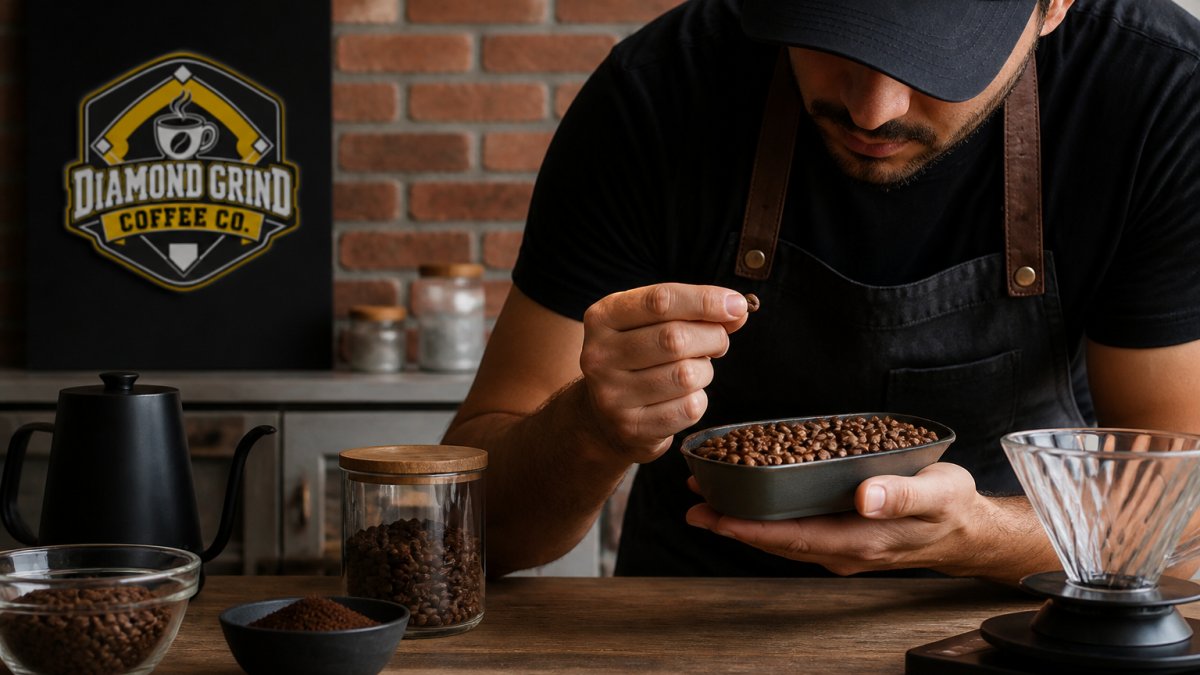
When you open a new bag, brew one cup with your standard recipe and taste it before touching any dial. Note three things:
- Aroma off the grounds: fresh coffee smells sweet and bready. Flat, papery, or dusty aromas point to stale beans.
- Flavor position: bitterness at the back of the tongue that lingers is extraction; a harsh, drying, or ashy note from the first sip is often the bean or the roast.
- Aftertaste: a clean finish that fades is a good sign. A gritty, mouth-coating finish that will not quit usually means the green coffee or the roast, not your brewer.
If the bag fails this check, no grind setting will fix it. Change the coffee, not the equipment.
Robusta Content and Blends
Arabica and robusta are different species. Robusta carries roughly twice the caffeine and noticeably more of the compounds that read as bitter and harsh. Many espresso blends include robusta on purpose for body and crema, and some inexpensive supermarket coffees use a high proportion to cut cost. If a bag tastes bitter no matter how you brew it, check the label for robusta or for vague terms like "espresso blend" with no origin listed. A 100% arabica bag is the simplest control if you are isolating the cause.
Dark Roast and Roast Level
Very dark roasts taste bitter by design. The roasting process caramelizes sugars and develops smoky, ashy notes that the tongue reads as bitter, and the bean's own acidity drops. If you keep buying dark roasts and keep getting bitter cups, the roast is doing what it was made to do. Move to a medium or medium-dark roast and re-taste before adjusting your brewer. A medium roast also gives you more room to diagnose: its flavors are clearer, so an over-extracted cup stands out instead of hiding under roast character.
Stale and Defective Beans
Stale beans taste flat, papery, and harsh. Old beans lose their oils and turn bitter in a way no grind setting can fix.
Check three things on the bag:
- Roast date: look for a printed date, not a "best by" stamp. Fresh coffee peaks in the first few weeks after roasting.
- Bag condition: beans stored in an open bag or a warm cabinet fade fast. Keep them sealed, cool, and away from light.
- Origin and species: a named origin and species (arabica or robusta) tells you more than a marketing name. If the bag lists neither, treat it as a variable you cannot control.
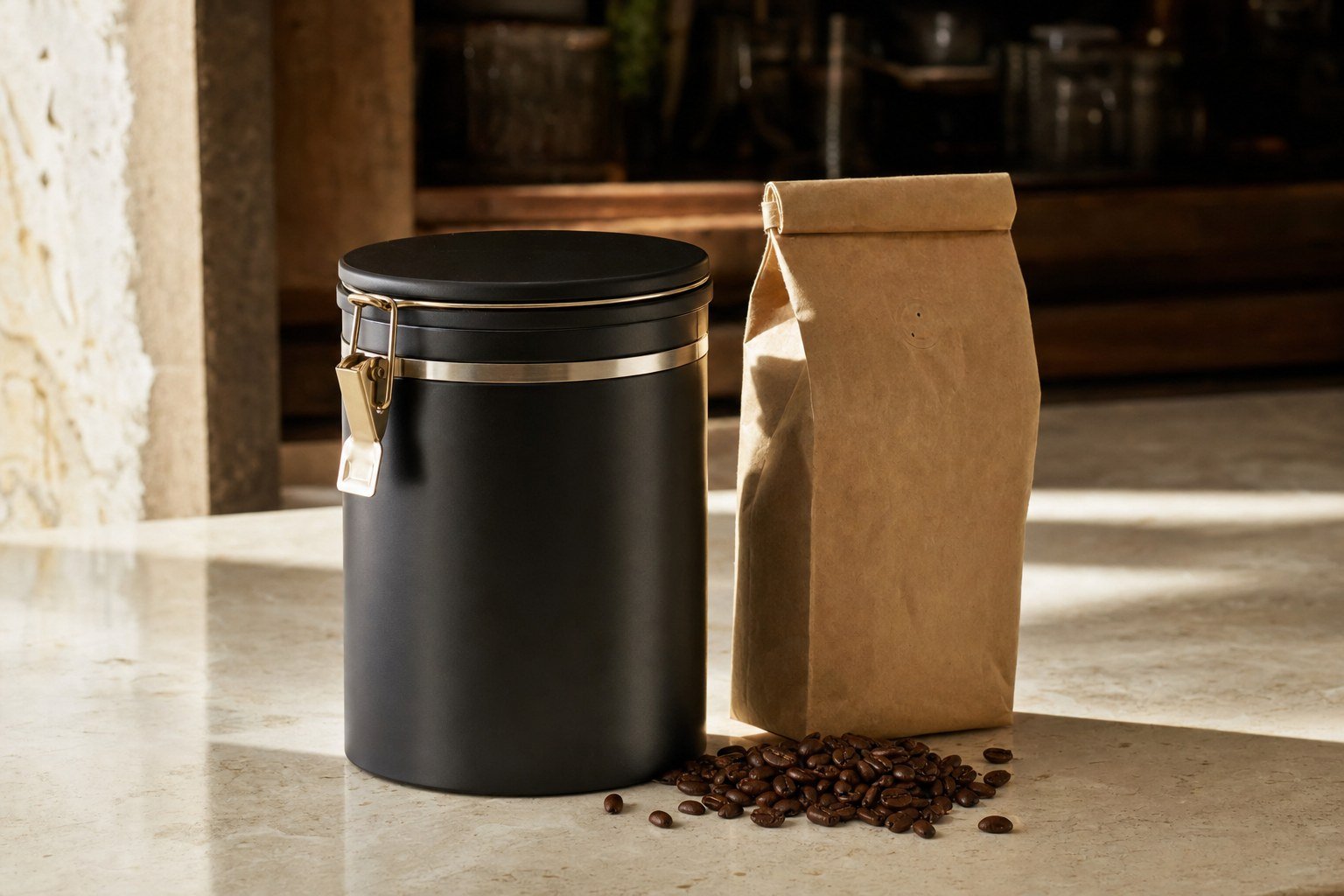
If you suspect freshness is the issue, our guide on why fresh roasted coffee tastes better explains what changes in the bag over time.
Run a Controlled Test and Keep a Brew Log
A brew log turns guesswork into a repeatable process. Write down four things for every cup: grind setting, dose, water temperature, and total brew time. Add one line for taste.
Then run a controlled test:
- Brew a cup with your current settings and note the taste
- Change only the grind, one notch coarser
- Brew again with everything else identical
- Note the taste and compare
- Repeat with brew time, then temperature, then dose
Two or three rounds usually find the fix. Keep the log taped inside a cabinet door and you will never lose a good setting again.
Changing two variables at once makes the result hard to read.
Order Fresh, Custom-Ground Beans From Diamond Grind Coffee
Bitterness is often solvable with a few adjustments.
We roast every small-batch order after it is placed and ship it the same day it is roasted. You can pick a grind option: whole bean, standard, espresso, or coarse.
If you are ready to brew without the bitter edge, order custom ground coffee online and we will match the grind to your setup.
Bitter coffee is a dial problem, not a talent problem. Start with your grind, log what you change, and let fresh beans do the rest. Get started with Diamond Grind Coffee and taste the difference same-day roasting makes in your first bag.
Frequently Asked Questions
Why does my coffee taste bitter all of a sudden?
A sudden shift usually points to one changed variable rather than the beans themselves. Check whether you moved your grinder setting, swapped to a darker roast, let the brewer sit dirty, or started using a different water source. Bitterness in coffee comes from over-extraction, so anything that exposes grounds to more heat, more time, or finer particles will push the cup that direction. Change one thing at a time and taste after each adjustment so you can identify the actual cause instead of guessing.
How do I make coffee less bitter without sugar?
Fix the extraction instead of masking it. Grind coarser by one or two settings, shorten the brew time, and let water cool slightly off a rolling boil before it hits the grounds. Use a consistent coffee-to-water ratio so you are not compensating for a weak cup by steeping longer. A medium roast like Diamond Grind Coffee's Brazil Santos, with its smooth cocoa notes, is one option to consider. Small, measured changes beat adding sweetener every time.
Can a dirty coffee maker make coffee taste bitter?
Yes. Coffee residue and mineral buildup inside a drip machine or carafe turn rancid and add a harsh, burnt edge that reads as bitterness. Clean the carafe and filter basket daily with hot water, and run a descaling cycle according to your machine's manual, more often if your water is hard. If your coffee suddenly turns bitter and your grind and ratio have not changed, a dirty brewer is one of the first things to rule out.
Does water temperature really affect how bitter coffee tastes?
It does. Water that is too hot pulls out harsh compounds faster, and boiling water hitting the grounds is a common cause of a bitter, burnt-tasting cup in French press and pour-over brewing. Let the kettle rest for about 30 seconds after it boils, or aim for the range your brewing method recommends. If your cup is already bitter, dropping the temperature slightly is one of the quickest fixes to test before you change your grind.