 How-to
How to Choose the Right Coffee Subscription Box
Last Updated: November 17, 2026
Quick Summary
Choose a coffee subscription by starting with your brewing setup, not the brand: match grind size and roast level to your brewer, then pick flavors you already drink. Compare total cost per cup rather than price per bag, and set delivery frequency to match your household's actual consumption. Verify freshness with a printed roast date and a clear roast-to-ship promise.
- Espresso needs a fine, consistent grind, while French press and cold brew require coarse grounds.
- Light roasts stay bright and fruity, medium roasts balance sweetness, and dark roasts push cocoa and caramel forward.
- Divide bag price plus shipping by the cups it makes to compare cost per cup.
- Confirm in writing that you can skip, pause, change frequency, and cancel without fees.
- Look for a printed roast date and roasted-to-order shipping, not a best-by date.
Table of Contents
- Start With Your Brewing Setup, Not the Brand
- How to Find the Best Coffee Subscription for Your Taste
- Choosing the Best Single Origin Coffee Subscription
- Coffee Subscription Cost and Delivery Frequency Explained
- Picking a Coffee Subscription for Espresso Machines
- How to Judge Freshness and Sourcing Claims
- Build Your First Box With Diamond Grind Coffee
- Frequently Asked Questions
Start With Your Brewing Setup, Not the Brand
Most people choose a coffee subscription box by scrolling through roaster websites and picking the bag with the prettiest label. That is backward.
At Diamond Grind Coffee, we roast every small-batch order after it is placed and ship it the same day, which matters most when your brewer is unforgiving. Before you compare a single subscription, answer one question: how do you actually brew? Once you know that, grind size, roast level, and bag size all fall into place.
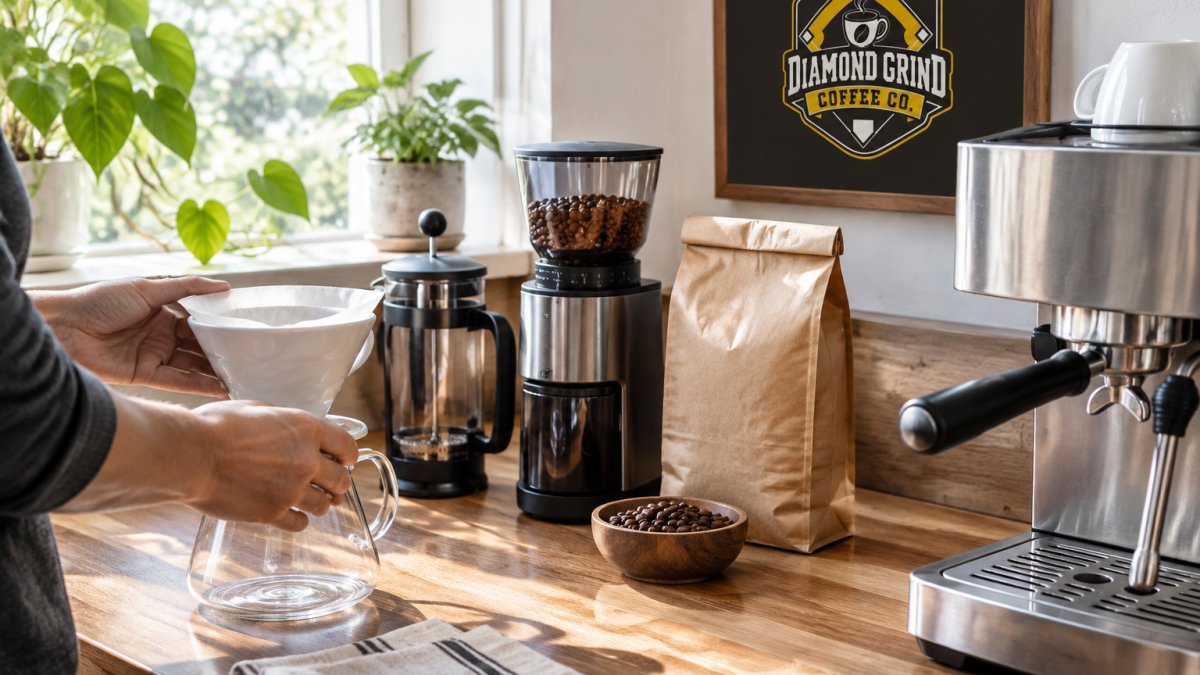
Match Grind Size to Your Brewer
Grind size is the single setting that decides whether a great bean tastes great in your cup. Espresso needs a fine, consistent grind to build pressure. Pour-over and drip want a medium grind. French press and cold brew need coarse grounds so the filter or plunger can separate them cleanly.
A common mistake is ordering whole bean without owning a grinder, then guessing at the shop grinder. If you want the specifics, our guide on the best grind size for espresso machines breaks it down by machine type. Otherwise, order pre-ground to match your brewer and skip the guesswork entirely.
How to Find the Best Coffee Subscription for Your Taste
The best coffee subscription for you is the one that matches your flavor preferences, not the one with the longest origin list. Start by naming what you already drink: do you reach for chocolate and caramel, or bright citrus and berry? That answer narrows roast level, origin, and processing method faster than any quiz.
Roast Level and Flavor Profile
Roast level drives flavor more than origin does. Light roasts keep the bean's natural acidity and fruit notes. Medium roasts balance sweetness with body. Dark roasts push cocoa, caramel, and smoke forward and mute the origin character.
If you are still deciding between a single farm and a house blend, our comparison of single origin coffee vs blends explains how each one behaves in the cup before you commit to a subscription.
| Roast Level | Flavor Profile | Best Brewing Method | Good Starting Point |
|---|---|---|---|
| Light | Bright, fruity, floral | Pour-over, drip | Ethiopia, Tanzania |
| Medium | Balanced, sweet, cocoa | Drip, pour-over, espresso | Colombia, Peru, Breakfast Blend |
| Medium-dark | Caramel, spice, brown sugar | Espresso, French press | Honduras |
| Dark | Cocoa, caramel, vanilla | Espresso, cold brew | 6Bean Blend, Cowboy Blend |
Choosing the Best Single Origin Coffee Subscription
A best single origin coffee subscription should let you taste one farm's character at a time. A sample pack is a practical place to start, then a full-size bag of whichever origin you loved.
Single origin coffees carry traceable details: the grower, the region, the altitude, and the processing method. Those details tell you more about flavor than any marketing copy. A washed Peru from a named cooperative tastes different from a natural Ethiopia dried on raised beds, and both are worth trying before you buy a large bag.
You can browse the actual single origin coffees we roast to build a subscription around the origins that match your taste.
Coffee Subscription Cost and Delivery Frequency Explained
Coffee subscription cost and delivery frequency are the two settings that decide whether a subscription saves you money or quietly wastes it. A subscription only pays off when the cadence matches how fast your household actually drinks coffee, and when the total cost per cup, not the sticker price per bag, is lower than what you would pay buying the same coffee on demand.
Work out your usage before you compare plans. Weigh or scoop what you brew in a normal week, then multiply by four. If you travel or brew only on weekends, choose a longer interval or order single bags on demand.
Compare Total Cost Per Cup, Not Price Per Bag
Compare bags by the number of cups each one actually makes, not by sticker price. Divide the bag price plus shipping by that cup count to get a cost per cup.
A Standardized Flexibility Checklist
Flexibility is where subscriptions differ most and where marketing copy is least clear. Before you commit, confirm each of these in writing on the subscription page or in the terms:
- Can you skip a single delivery without canceling?
- Can you pause for a set number of weeks and resume automatically?
- Can you change frequency, bag size, or grind without starting a new plan?
- Does the plan auto-renew, and how much notice do you get before a charge?
- Is there a minimum number of deliveries before cancellation?
- Are there cancellation fees, and can you cancel online without a phone call?
- Is the cancellation window before or after the next roast date?
Planning Household Consumption to Avoid Waste
The most common subscription regret is a pantry full of stale bags. Freshness fades once a bag is opened, so a delivery you cannot finish in a few weeks defeats the purpose of roast-to-order coffee.
- Count cups brewed per day, per person in the house
- Multiply by seven to get a weekly usage estimate
- Divide your bag size by weekly usage to find how long one bag lasts
- Set delivery to match that window, not the default
- Confirm you can pause, skip, or cancel without a fee before you commit
Store beans in an airtight container away from light and heat. If your usage is uneven, heavy on weekends, light on weekdays, a longer cadence with a larger bag usually beats a short cadence with a small one.
Picking a Coffee Subscription for Espresso Machines
A coffee subscription for espresso has stricter requirements than any other brewer. Espresso pulls a small, concentrated shot in about 25 to 30 seconds, so the grind has to be uniform and dialed to your machine. A bag ground for drip will choke or spray.
Order espresso-grind coffee, or whole bean if you own a burr grinder and want to dial in the shot yourself. Medium and medium-dark roasts hold up best under pressure, which is why our 6Bean Blend, a meticulous blend built for espresso, and the Cowboy Blend with its cocoa and caramel tones both work well here. If you want to shop by machine, browse our best coffee beans for home espresso.
How to Judge Freshness and Sourcing Claims
Freshness is the claim most subscriptions make and the one most worth verifying. A roast date printed on the bag is the only reliable proof. "Best by" dates tell you nothing about when the coffee was roasted, and a "packed on" date can be months after the roast.
Look for four things on any subscription page:
- A printed roast date, not just a best-by date
- A named grower, cooperative, or region for single origins
- A stated processing method, such as washed, natural, or pulped natural
- A clear shipping promise tying roast day to ship day
What a Roast Date Actually Tells You
A roast date is a starting gun, not a finish line. A bag roasted 45 days ago is not spoiled, but it is past its best window, and no amount of careful brewing will bring back the aromatics.
That is why the shipping promise matters as much as the date. A roaster who roasts in large batches and ships from a warehouse may put a three-week-old bag in the box. Ask, or look for the phrase "roasted to order" rather than "freshly roasted," which has no defined meaning.
Watch out: a subscription that ships monthly but roasts in weekly batches can deliver coffee that is already two to three weeks old on arrival, check the roast-to-ship gap, not just the roast date.
What Sourcing Claims Do and Do Not Establish
Sourcing language is where labels get loose. A few terms carry defined meaning and a few do not:
- Single origin means the coffee comes from one producer, cooperative, or region. It says nothing about quality or ethics on its own.
- Washed, natural, and pulped natural describe how the fruit was removed from the bean. Washed coffees tend to taste cleaner and brighter; natural coffees tend to taste fruitier and heavier. The label tells you the process, not whether it was done well.
- Altitude and varietal are traceability details that correlate with flavor but do not guarantee it.
- "Ethically sourced," "sustainable," and "direct trade" are largely unregulated marketing terms in the United States. They do not establish a price paid to the farmer, a certification, or an environmental standard.
- Third-party certifications such as Fair Trade, USDA Organic, and Rainforest Alliance are verifiable because they are audited. If a roaster claims one, the seal or certification body should be named on the bag or the product page.
A named grower, a stated processing method, and a printed roast date together tell you more about a subscription than any sustainability badge. If a page makes an ethical claim without a certification or a named producer, treat it as marketing until the roaster explains the mechanism.
Our own bags carry roast dates, and we ship the same day we roast. For a deeper look at why the date matters, read our guide on whether roast date matters for coffee.
Build Your First Box With Diamond Grind Coffee
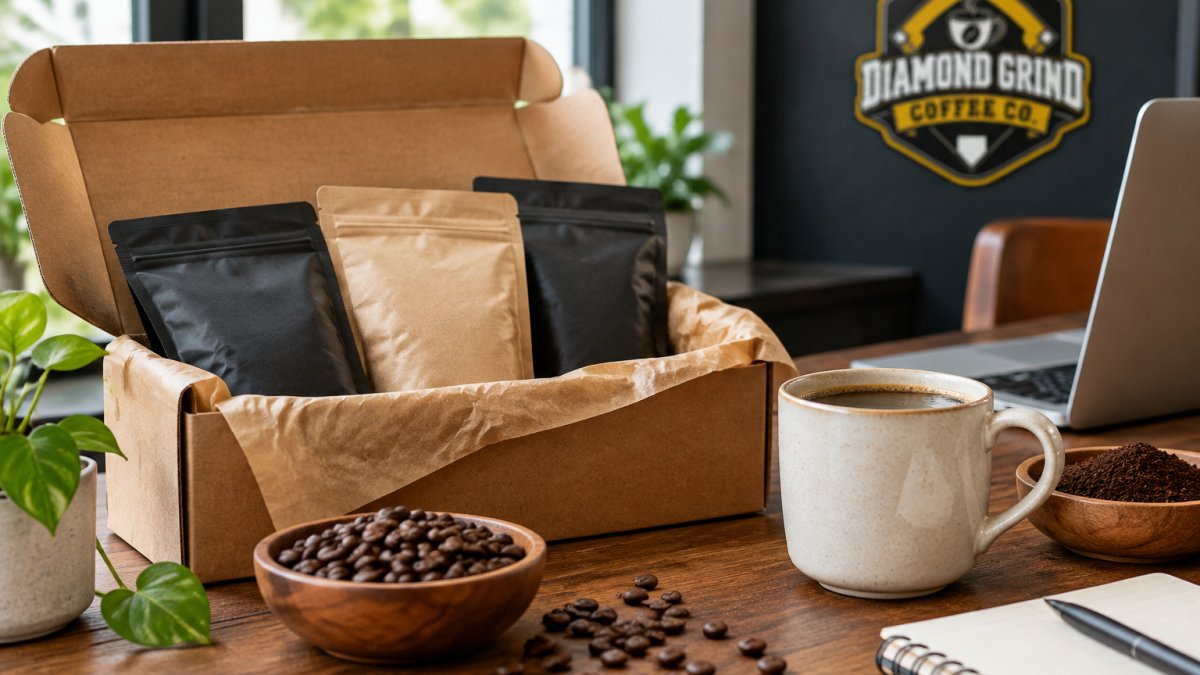
The fastest way to choose a coffee is to test before you commit. Sample packs let you taste several coffees in small amounts, find the roast level and origin you love, and only then set a delivery cadence around the bag you actually finish.
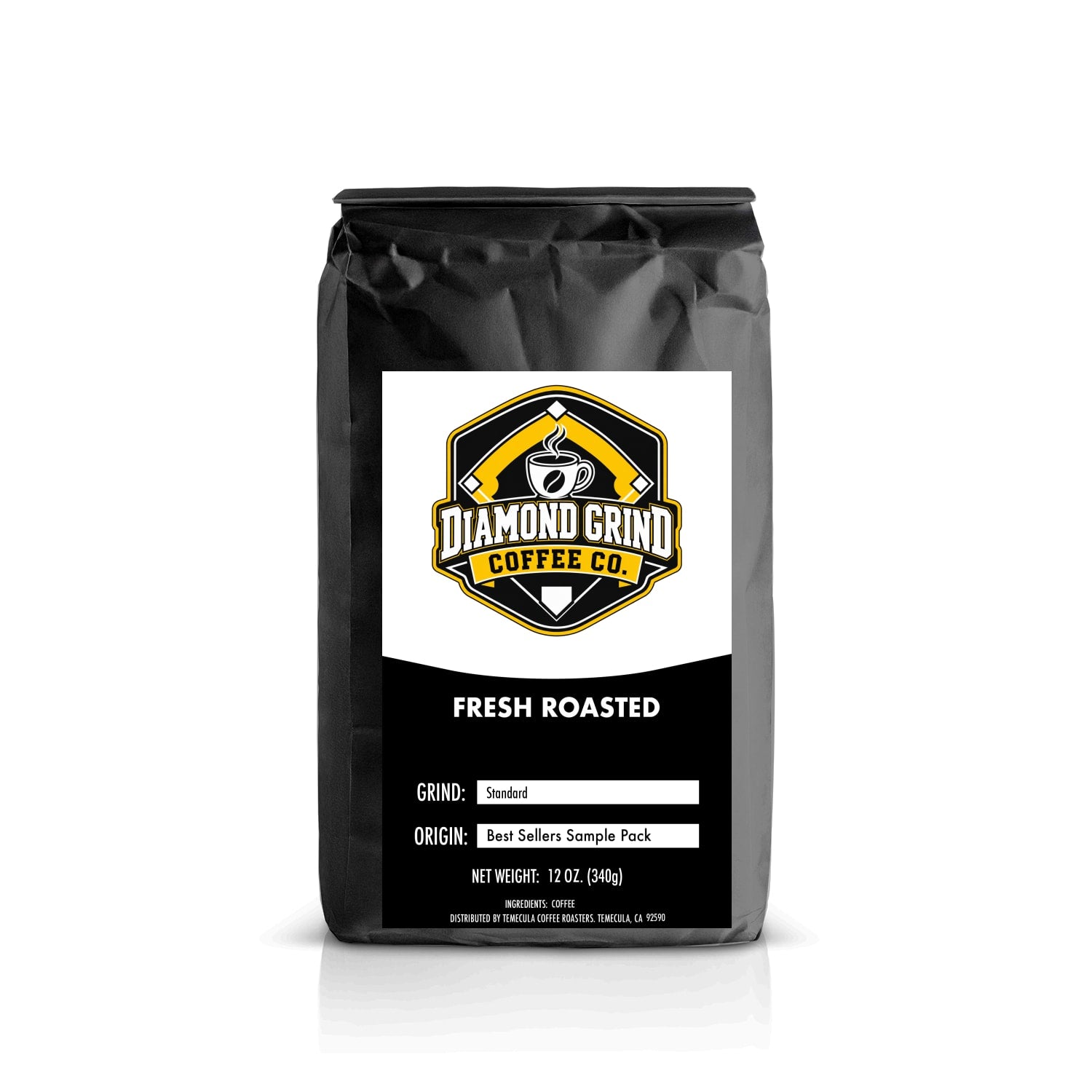
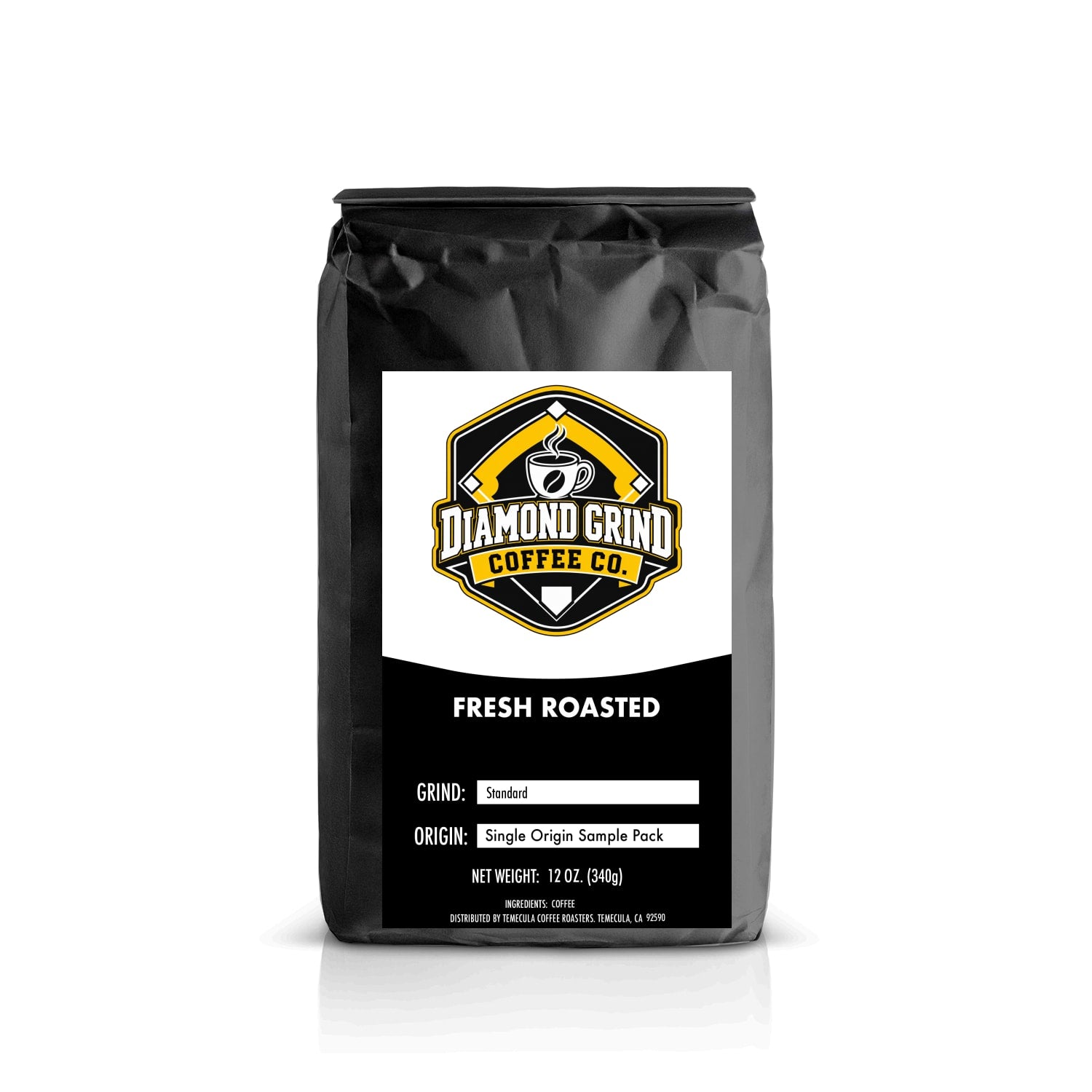
Our Best Sellers Sample Pack at $24.99 gives you six 2-ounce packs, including the espresso-ready 6Bean Blend, the Cowboy Blend, the Breakfast Blend, and single origins from Peru and Mexico. Prefer to explore farms first? The Single Origin Favorites Sample Pack at $24.99 covers Brazil, Colombia, Costa Rica, Ethiopia, Honduras, and Tanzania.
Choosing a coffee subscription gets simple once you stop shopping by label and start with your brewer, your taste, and your weekly cup count.
Frequently Asked Questions
How do I choose a coffee subscription?
Work backward from your brewer. Note the grind size your machine needs, then pick a coffee subscription that offers that grind and lets you choose roast level. Finally, compare price per bag and shipping cost so the total is clear before you commit.
How much does a coffee subscription usually cost?
Cost depends on bag size, roast rarity and shipping. Sample packs are the cheapest way to test a roaster before committing: Diamond Grind Coffee sells 2 oz sample packs of six coffees for $24.99, and full bags of blends like Breakfast Blend also run $24.99. Factor in shipping, since free U.S. shipping changes the real cost per ounce considerably.
How often should a coffee subscription deliver?
Match cadence to consumption. A single daily cup drinker typically uses about 12 oz of beans every two to three weeks, while a two-cup household burns through a bag faster. Order less than you drink and you run out; order more and beans sit past their peak. Choose a roaster that lets you adjust, skip or pause deliveries so you can correct the schedule after the first month.
Can I pause or cancel a coffee subscription?
That depends on the service, so read the terms before you order. Look for three things in writing: whether you can skip a single delivery, whether you can pause indefinitely, and whether cancellation is self-serve or requires an email. A subscription that ships only when you reorder, rather than on an auto-renewal, gives you the most control and avoids surplus coffee you never asked for.