 Comparison
5 Best Alternatives to The Bean Coffee Company
Quick Summary
The best bean coffee alternatives to The Bean Coffee Company focus on roast-to-order freshness, a grind that matches your brewer, and transparent pricing per ounce. Diamond Grind Coffee is one option, with bags listed at $24.99, free U.S. shipping, and same-day shipping on small-batch roasts.
- Compare bags by price per ounce, since a 16-ounce bag at $24.99 costs about $1.56 per ounce versus $2.08 for a 12-ounce bag.
- Check for a visible roast date and confirm roast-to-order claims against the delivery date.
- Verify organic claims by looking for the USDA Organic seal on the package.
- Try a sample pack or single origin like Brazil Santos before committing to a full bag.
- Match the roast to your brewer, such as the 6 Bean Blend for espresso or the House Blend for drip.
Table of Contents
- What to Look for in a Coffee Roaster Alternative
- Side-by-Side Pricing and Total Cost
- Freshly Roasted Coffee Beans: How to Verify Roast-to-Order Claims
- Organic Coffee Brands and Certification Checks
- Coffee Sample Packs for Trying Before You Commit
- Coffee Subscription Services and Flexible Ordering
- Choosing Your Next Bag: Matching Beans to Your Brewer
- Frequently Asked Questions
5 Best Alternatives to The Bean Coffee Company
Last Updated: November 4, 2026
What to Look for in a Coffee Roaster Alternative
If you are looking for one of the best bean coffee alternatives to The Bean Coffee Company, roast timing is one of the first things to compare. We built this guide to help you weigh the options against the criteria that matter most to home brewers.
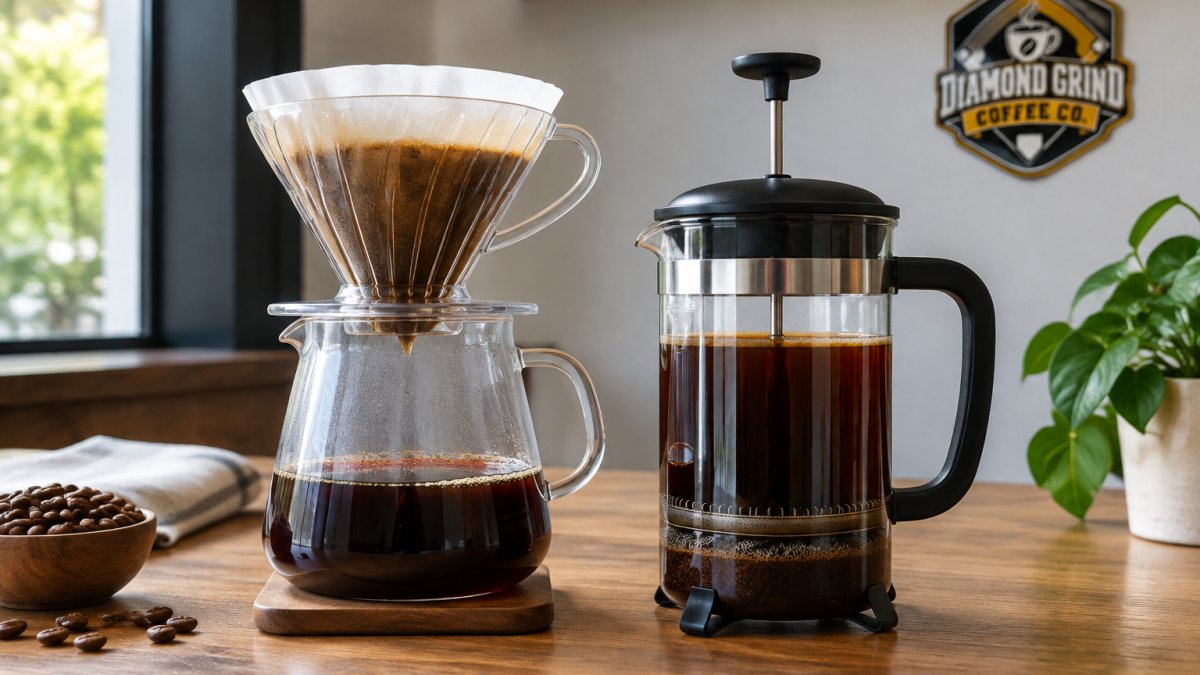
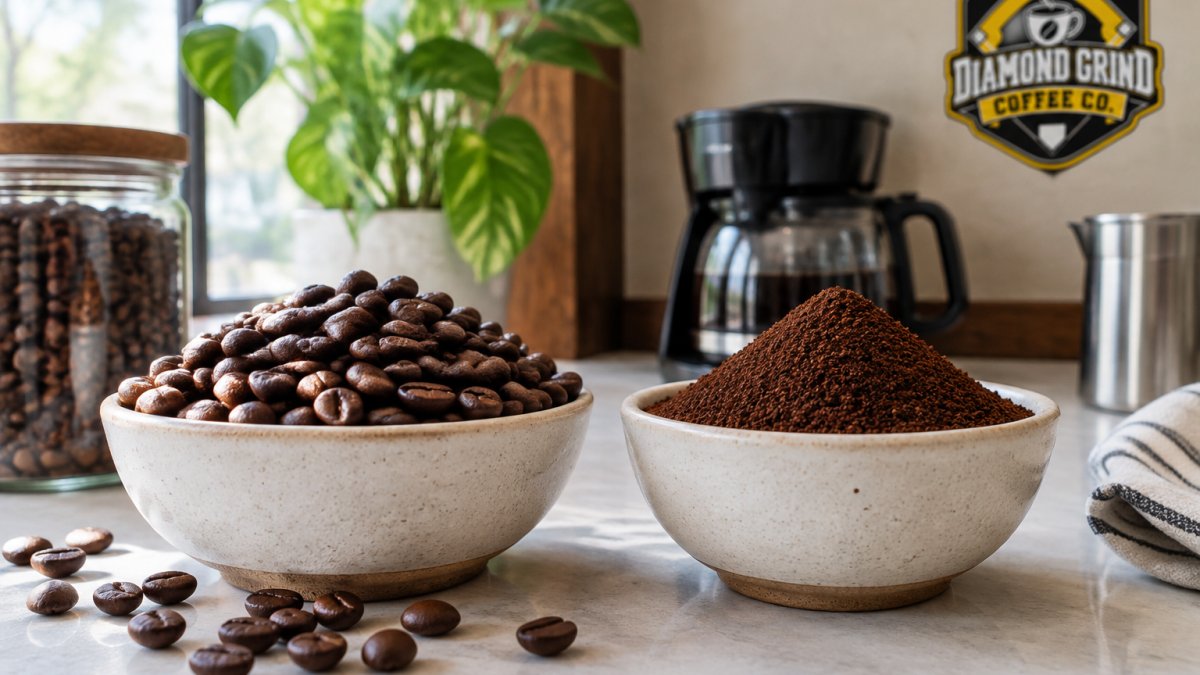
A good alternative should match how you actually brew. Home brewers can compare a roast-to-order alternative for home brewers to see one built for their setup. Pour-over drinkers, French press fans and espresso users all need different grind sizes and roast levels. Check whether a roaster offers whole bean, standard, coarse and espresso grinds before you commit. You can order whole beans or custom-ground coffee matched to your brewing method.
Freshness is the next thing to check. Ask whether the roaster roasts to order or from stock, and whether the bag shows a roast date. Our fresh coffee guide for Koffee Kult alternatives explains what to check. Many shoppers find that a visible roast date tells them more than any marketing claim.
Sample options also matter. A sample pack lets you test a few bean coffee alternatives before buying a full bag, which is useful if you are switching from a brand you already know.
Side-by-Side Pricing and Total Cost
Bag price alone tells you almost nothing about value. A $24.99 bag that holds 12 ounces costs about $2.08 per ounce, while the same $24.99 spent on a 16-ounce bag works out to roughly $1.56 per ounce. Before you compare any two roasters, convert every listing to a price per ounce so the numbers are on equal footing.
Diamond Grind Coffee's House Blend is priced at $24.99, and the Breakfast Blend and 6 Bean Blend are also listed at $24.99.


To judge a true total cost, run four checks side by side:
- Price per ounce. Divide the bag price by the net weight in ounces. A 12-ounce bag at $24.99 is about $2.08 per ounce; a 16-ounce bag at $24.99 is about $1.56 per ounce. The larger bag wins on unit cost even when the sticker price is identical.
- Shipping and thresholds. Diamond Grind Coffee offers free shipping on U.S. orders. If a competing roaster charges a flat rate or requires a minimum order, add that amount to the bag price before comparing.
- Subscription discounts. Many roasters discount recurring orders or waive shipping only on subscriptions. If you drink coffee daily, a subscription discount can lower the effective per-ounce cost; if you drink irregularly, the discount may not offset coffee that goes stale before you finish it.
- Minimum order size. Some roasters require a two- or three-bag minimum. That raises your upfront outlay and can push you into buying more coffee than you can drink fresh.
Cost per cup is the number that matters most. A cheaper bag that brews inconsistently, or that you throw away half of because it went stale, can cost more per drinkable cup than a pricier bag you finish.
Watch out: comparing a 12-ounce bag against a 16-ounce bag by sticker price alone will make the smaller bag look like the better deal when the per-ounce math says otherwise. Always normalize to ounces first, then add shipping and any minimum-order cost.
Freshly Roasted Coffee Beans: How to Verify Roast-to-Order Claims
Freshly roasted coffee beans taste noticeably brighter than beans that have sat for weeks. Many roasters use the phrase "roast to order," but the claim is only useful if you can check it.
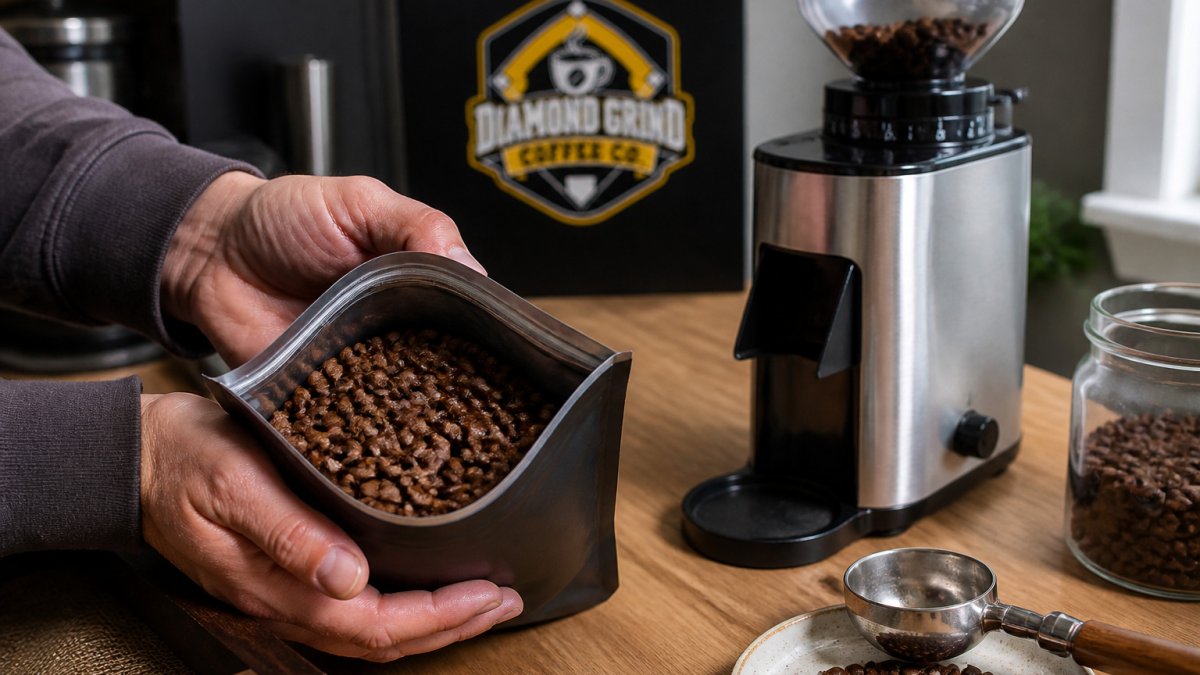
Start by looking for a roast date printed on the bag. If the roaster lists a roast date, you can compare it with your delivery date. If no date appears, ask customer service directly.
Next, check the shipping timeline. A roaster that roasts after you order and ships the same day gives you the shortest path from roaster to cup. Diamond Grind Coffee roasts small batches and ships them the same day.
Watch out: beans kept in a clear bag on a sunny counter lose flavor quickly. Store your coffee in an airtight container away from heat and light, and grind just before brewing.
!Close-up of hands holding a freshly opened bag of whole coffee beans beside a kitchen grinder on a wooden counter
Organic Coffee Brands and Certification Checks
Certified organic coffee carries a USDA Organic seal, which is the part you can verify. Other terms such as "natural" on a bag are worth checking against the seal rather than taking at face value.
Verifying a certification claim takes three steps:
- Look for the seal, not the adjective. A USDA Organic seal on the package means the coffee met the USDA National Organic Program standards. If a roaster says "organic" in copy but no seal appears on the bag or product page, ask for the certifying agent's name before you buy.
- Check the roast date against the delivery date. A roast-to-order claim is only useful if you can confirm it. If the bag shows a roast date, compare it with the day it arrived. If no date appears, ask customer service directly rather than assuming freshness.
- Ask who grew the beans and how they were paid. Fair trade and direct trade sourcing are worth asking about, but the terms are not interchangeable and neither is a single government seal. Transparent sourcing details, such as named growing regions or processing methods, are a better signal than vague promises.
Diamond Grind Coffee's House Blend listing describes natural/dry-processed and wet-mill washed, sun-dried coffees. Check the product listing for current certification details before buying if certified organic is a requirement for you.
A useful habit is to keep a short verification note for each roaster you try: seal present or absent, roast date shown or hidden, and sourcing details named or vague. That note tells you more about a roaster's claims than any single marketing line, and it lets you compare brands on evidence rather than adjectives.
Coffee Sample Packs for Trying Before You Commit
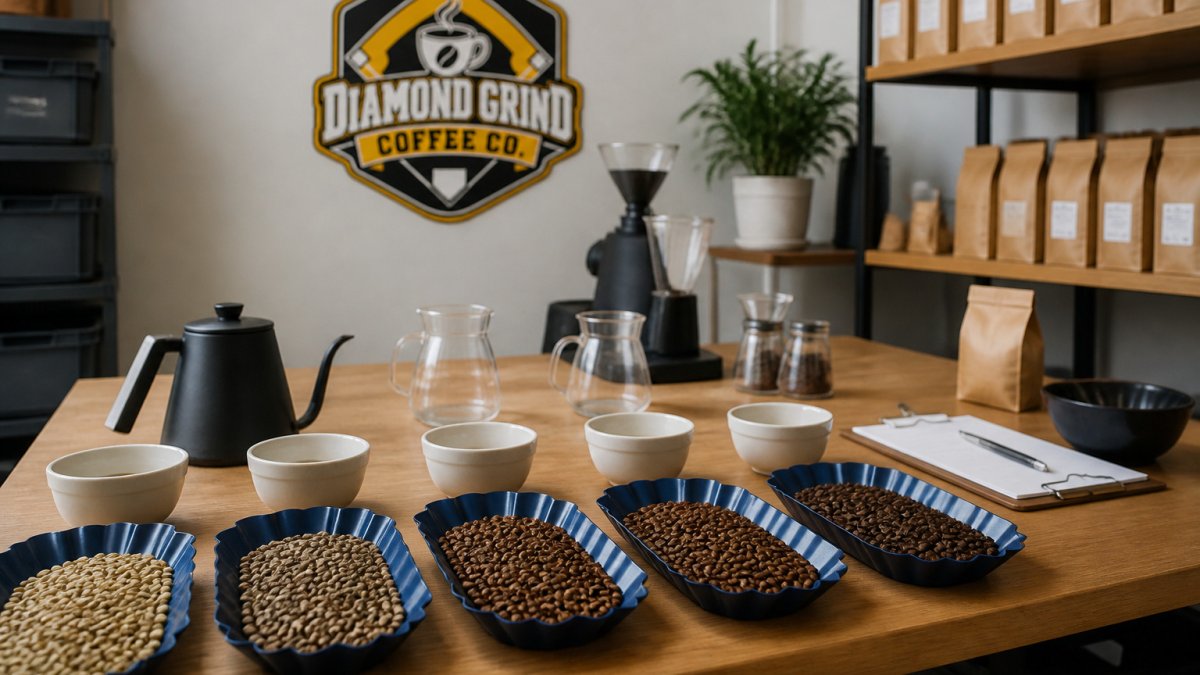
A sample pack is the lowest-risk way to compare roasters. Instead of committing to a full bag, you test several coffees side by side and see which profile you prefer.
Diamond Grind Coffee's Brazil Santos single origin is a good starting point if you like smooth, cocoa-forward cups. Its profile is elegant and smooth with cocoa notes, and it is listed at $24.99.
When you sample, brew each coffee the same way and note the body, acidity and finish. A simple side-by-side tasting makes the differences obvious.
Coffee Subscription Services and Flexible Ordering
Subscriptions suit people who drink coffee every day and want a steady supply. The risk is receiving more coffee than you can drink before it goes stale.
Before you sign up, check whether you can skip deliveries, change the frequency and cancel without a fee. Flexible ordering matters most if your schedule changes often.
Choosing Your Next Bag: Matching Beans to Your Brewer
Match the roast to your brewing method. The 6 Bean Blend is described as great for espresso, and the House Blend is a medium roast with a smooth, clean, consistent cup.
| Product | Roast | Flavor Notes | Price | Best For |
|---|---|---|---|---|
| House Blend | Medium | Nutty, sweet chocolate, mild citrus | $24.99 | Everyday drip and pour-over |
| Breakfast Blend | Medium | Smooth, South American blend | $24.99 | Morning brewing |
| 6 Bean Blend | Dark | Blended for espresso | $24.99 | Espresso machines |
| French Roast | Dark | Bittersweet, low acidity | $24.99 | French press and bold cups |
| Brazil Santos | Medium | Elegant, smooth, cocoa | $24.99 | Single origin tasting |
The House Blend has a medium body and clean finish. If you own an espresso machine, choose the 6 Bean Blend.
Whatever you choose, start with a small bag, brew it a few times and adjust your grind and dose until the cup tastes right.
Frequently Asked Questions
Which alternatives to The Bean Coffee Company offer freshly roasted beans?
Diamond Grind Coffee roasts small-batch orders after they are placed and ships them the same day they are roasted. Its listed products, including the House Blend, Breakfast Blend, 6 Bean Blend, French Roast and Brazil Santos, are each listed at $24.99. When comparing any roaster, look for a roast date printed on the bag rather than only a best-by date, since the roast date tells you how fresh the beans are at delivery.
Will Diamond Grind Coffee work with a Nespresso or pour-over setup?
Diamond Grind Coffee offers grind options from whole bean to espresso and coarse, so you can choose the grind that fits your brewer. Pick whole bean if you grind at home, espresso for an espresso machine, or a coarser grind for French press or similar methods. The 6 Bean Blend is a dark roast described as well suited to espresso.
Can I order a single bag without committing to a subscription?
Yes. Diamond Grind Coffee sells individual bags, and its sample packs let you try varieties before buying full bags. Compare the listed prices, which are $24.99 for each of the products shown, and check whether shipping is free on your order. Free shipping applies to U.S. orders.
How can I check whether a roaster's organic claims are real?
Look for a named certification on the product or in the company's documentation rather than a general organic claim. Ask the roaster which certifying body applies and whether it is listed. Diamond Grind Coffee's current product listings do not state an organic certification, so confirm that directly before buying if organic status matters to you.