 comparison
Is Coffee Subscription Worth It in 2026?
Last Updated: October 28, 2026
Quick Summary
A coffee subscription is worth it for most people who drink two or more bags a month, but only if its all-in cost per cup beats what they already pay. Compare bag price, shipping, and discounts, then divide by cups per bag. Freshness also matters if the bag gets used before it loses its edge.
- Divide the bag price by its ounces to compare options per ounce.
- Add shipping and subtract only the first-delivery discount before comparing.
- Divide the all-in bag cost by cups per bag to get cost per cup.
- Match delivery frequency to usage so beans are used within two to four weeks.
- Discounts that start after several deliveries can make a subscription cost more.
Table of Contents
- What a Coffee Subscription Actually Costs Per Bag
- Coffee Subscription vs Buying Coffee One Bag at a Time
- Working Out Your Break-Even Point by Consumption Rate
- How Often to Receive Coffee and Avoiding Over-Ordering
- Freshness, Roast Dates, and Cost Per Cup by Brew Method
- Best Coffee Subscriptions and Sample Options to Compare
- Choosing the Option Your Budget and Habits Support
- Frequently Asked Questions
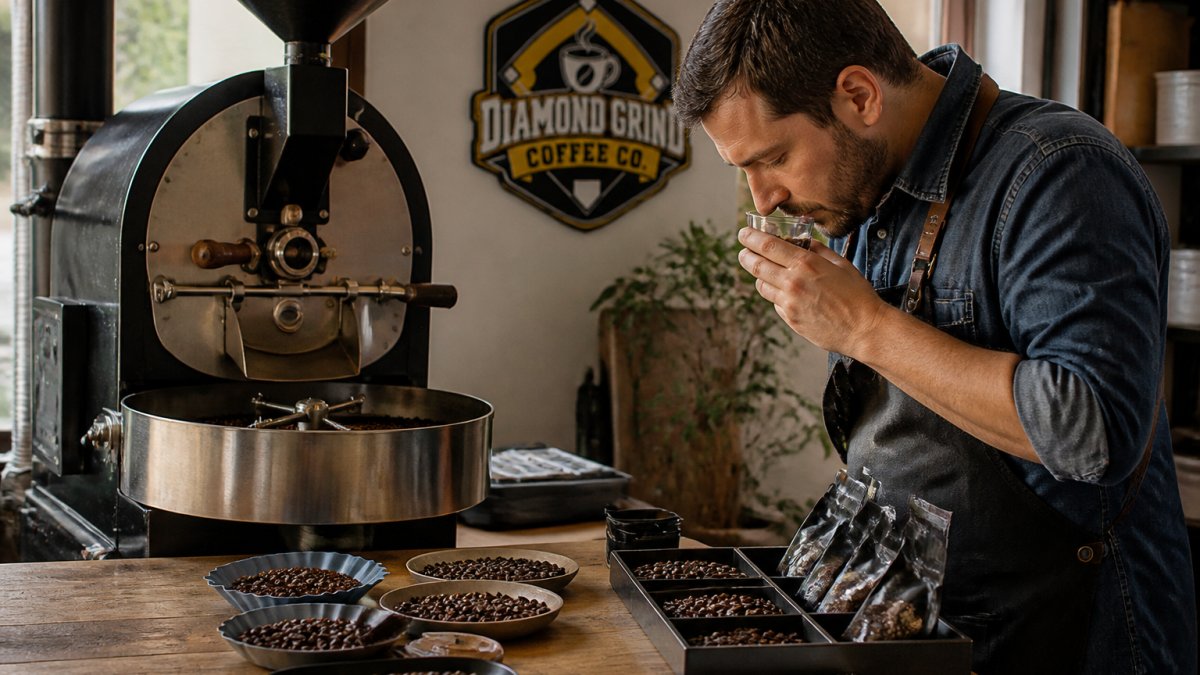
Is a coffee subscription worth it? For most people who drink two or more bags a month, yes, but only if the per-bag price beats what they already pay and the coffee gets used before it loses its edge. At Diamond Grind Coffee, we roast small batches to order and ship them the same day, so the real question is simpler than the marketing suggests: does a recurring delivery save you money?
We'll walk through the math, the freshness trade-offs, and the options worth comparing. Our sample packs let you explore coffee varieties.
What a Coffee Subscription Actually Costs Per Bag
A coffee subscription costs more or less per bag depending on bag size, plan frequency, and whether shipping is included. The sticker price of a single bag rarely tells you much on its own, because the number that decides whether a subscription is worth it is the all-in cost per cup, not the price on the product page.
Here is the four-step method to get there.
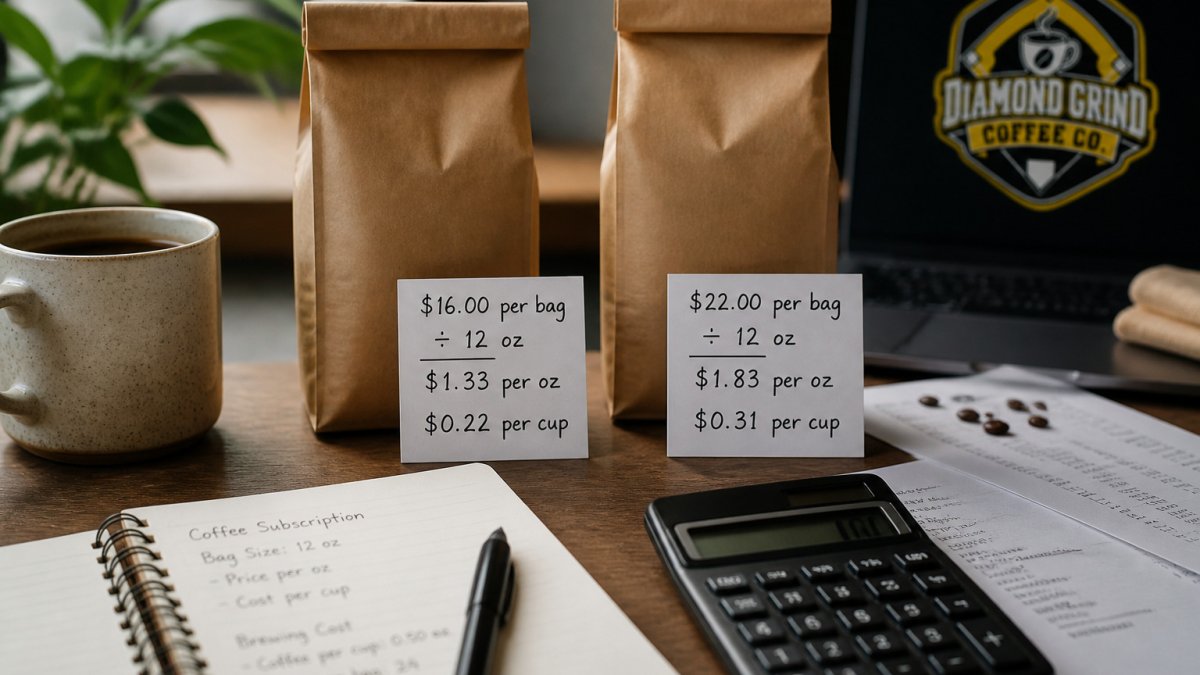
Step 1: Normalize to price per ounce. Divide the bag price by its weight in ounces. A 12-ounce bag at $18.00 is $1.50 per ounce; a 16-ounce bag at $20.00 is $1.25 per ounce. The bigger bag is cheaper per ounce even though it costs more at checkout. Do this for every option you compare, including your current grocery or local-roaster bag.
Step 2: Add shipping and subtract discounts. A subscription that waives shipping can beat a one-time order even at the same bag price. If a one-time order carries a flat shipping fee and the subscription does not, add that fee to the one-time cost before comparing. Then subtract any subscription discount, but only the discount you will actually receive on your first delivery, not a loyalty rate that kicks in after several months.
Step 3: Convert to cost per cup. Most drip and pour-over recipes use roughly 15-18 grams of coffee per cup; espresso uses a smaller, concentrated dose of about 18-20 grams per shot. At 17 grams per cup, a 12-ounce (340-gram) bag yields about 20 cups, and a 16-ounce (454-gram) bag yields about 27 cups. Divide the all-in bag cost by the cups it yields. A $20.00 all-in 16-ounce bag at 27 cups is about $0.74 per cup; a $24.00 all-in 12-ounce bag at 20 cups is about $1.20 per cup. That per-cup gap is the real cost difference, and it is invisible on the product page.
Step 4: Compare like with like. Put your current bag and the subscription bag on the same per-ounce and per-cup basis. If the subscription wins on both, the cost case is clear. If it wins on per-ounce but loses on per-cup because the bag is smaller, you are paying for freshness or selection, not savings, and you should decide whether that trade is worth it to you.
Watch for three hidden variables that distort the comparison:
- Shipping fees added to one-time orders but waived on subscriptions
- Discounts that apply only after a set number of deliveries
- Minimum commitments that lock you in for several months
Our free U.S. shipping applies to orders you place directly, so compare the all-in total, not the headline price. A $24.99 sample pack is priced for tasting, not for daily brewing, so it won't be your everyday cost basis.
Coffee Subscription vs Buying Coffee One Bag at a Time
The core trade-off is convenience against flexibility. Buying one bag at a time lets you pick what you want, when you want it, with no recurring charge.
One-off purchases can suit people who rotate between origins or drink coffee only on weekends.
Here's where most people get it wrong: they assume a subscription is always cheaper. It isn't. If you order a bag every six weeks and the subscription discount only applies to monthly deliveries, you'll pay more than the one-time price. Run the numbers before you sign up.
If you want to try a one-time purchase, you can order a bag without committing to anything ongoing.
Working Out Your Break-Even Point by Consumption Rate
Your break-even point depends on how much coffee you brew each week and what you currently pay per cup. This section turns the general value discussion into a number you can calculate.
The formula. Break-even happens when your monthly subscription cost equals your current monthly coffee spend for the same number of cups. In practice:
- Count how many cups you brew per week.
- Estimate grams per cup for your brew method (roughly 15-18 grams for most drip and pour-over recipes; about 18-20 grams per espresso shot).
- Multiply cups by grams per cup to get weekly grams.
- Multiply weekly grams by 4.33 to get monthly grams, then divide by 28.35 to convert to ounces.
- Divide monthly ounces by your bag size in ounces to get bags per month.
- Multiply bags per month by the all-in subscription price per bag to get monthly subscription spend.
- Do the same with your current all-in price per bag to get current monthly spend.
The subscription breaks even when step 6 is less than step 7. If it is more, you are paying a premium for convenience, freshness, or selection, which may still be worth it, but you should know you are paying it.
A worked example.
Change one variable and the answer flips. At 7 cups a week, the amount of coffee you use is lower than at 14 cups a week. At 3 cups a week, consider how much coffee you will use before choosing a bag size.
Best Sellers Sample Pack: 6Bean, Cowboy, Breakfast, Peru, Mexico, Bali →
Where the break-even hides. Three levers move the number more than the bag price does:
- Bag size. A smaller bag raises cost per cup even at a lower sticker price. Always compare cost per cup, not cost per bag.
- Delivery frequency. If the plan ships every two weeks but you drink one bag a month, you are buying coffee you will not finish fresh. Match the interval to your usage.
- Shipping and discounts. A waived shipping fee can be worth more than a small percentage discount. Run the all-in number both ways.
If you want to try a one-time purchase, you can order a bag without committing to anything ongoing, then plug your real usage into the formula above.
How Often to Receive Coffee and Avoiding Over-Ordering
The most common subscription complaint is getting more coffee than you can drink while it's still fresh. The fix is matching delivery frequency to your actual usage, not to an optimistic guess.
Choose a delivery interval that gives you roughly two to four weeks of coffee per bag. Coffee starts losing aroma within a few weeks of roasting, so a bag that sits unopened for months defeats the purpose of buying fresh-roasted beans.
Store opened beans in an airtight container away from heat, light, and moisture. Learn how to store beans for maximum freshness so a delivery stays fresh until it is used up. Keep the bag closed between uses, and only grind what you need right before brewing.
Freshness, Roast Dates, and Cost Per Cup by Brew Method
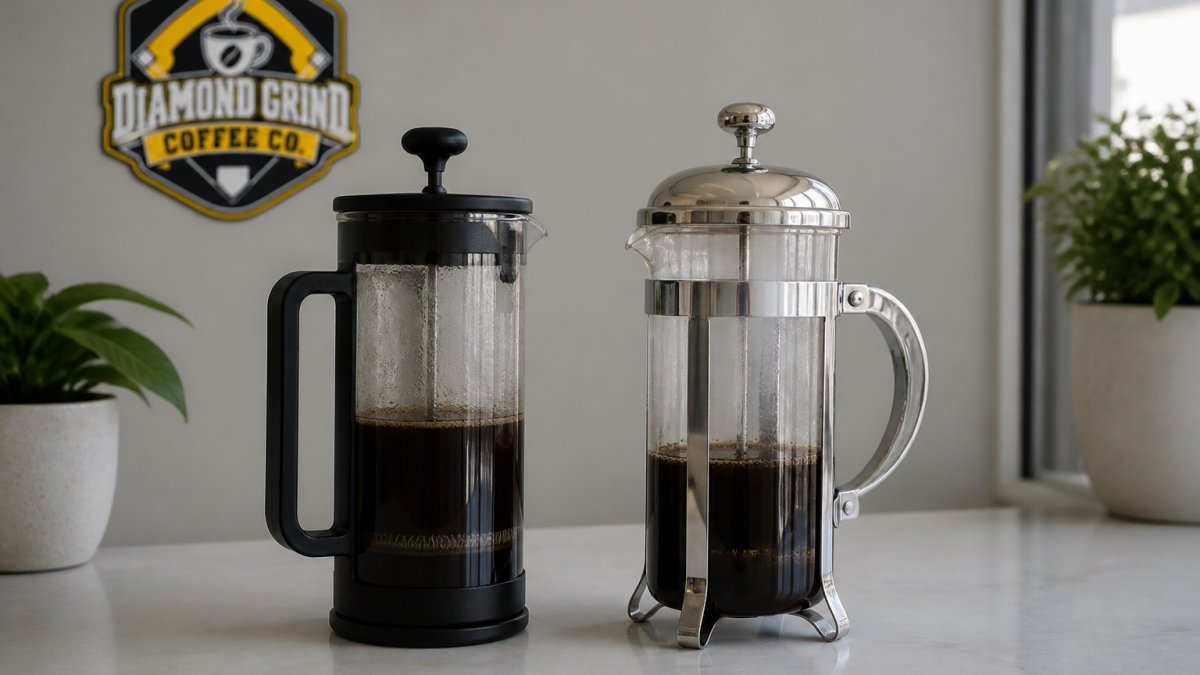
Freshness matters more for some brew methods than others. Espresso is especially sensitive to bean age, while a French press is more forgiving. Many people find that a fresher bag tastes noticeably brighter in pour-over, which is the method where origin character shows most clearly.
Cost per cup also varies by brew method because dose changes. Espresso uses a small, concentrated dose, so a bag stretches further per cup than drip coffee does at the same price per gram.
Check roast dates on any bag you buy. A roast date tells you more about freshness than a "best by" date does, because it shows when the coffee was actually roasted. Learn whether roast dates really affect freshness and taste.
Freshness and cost per cup both shift with how you brew, so the article breaks them down by method.
| Brew method | Typical dose | Freshness note |
|---|---|---|
| Espresso | About 18-20 g per shot | Especially sensitive to bean age |
| Drip and pour-over | About 15-18 g per cup | Fresher bags taste brighter here |
| French press | Not stated in article | More forgiving of bean age |
Best Coffee Subscriptions and Sample Options to Compare
Our sample packs let you explore several origins and blends.
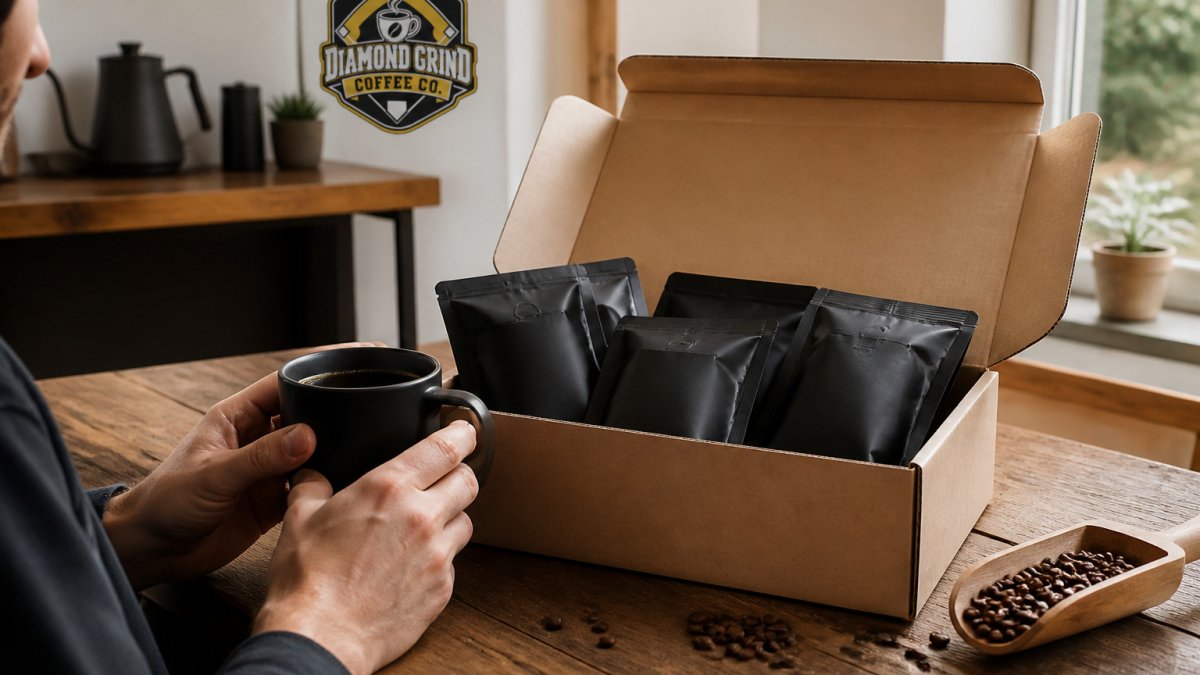
- Best Sellers Sample Pack: 6Bean, Cowboy, Breakfast, Peru, Mexico, Bali ($24.99): a sample pack featuring house blends and single origins.
- Single Origin Favorites Sample Pack ($24.99): six origins from Brazil, Colombia, Costa Rica, Ethiopia, Honduras, and Tanzania.
- Flavored Coffees Sample Pack ($24.99): six flavored options including French Vanilla, Hazelnut, and Mocha, for people who prefer a sweeter cup.
Best for: drinkers who want to explore coffee profiles. Try the Best Sellers sample pack to taste six coffees before committing to a subscription. Skip if: you already know exactly which bag you want.

Our single-origin Brazil Santos ($24.99) has an elegant, smooth cup with cocoa notes.
Choosing the Option Your Budget and Habits Support
The right answer comes down to three questions: how much coffee you drink, how strictly you follow a schedule, and how much you value fresh roast over flexibility.
If your intake is irregular, buying one bag at a time lets you choose when to order.
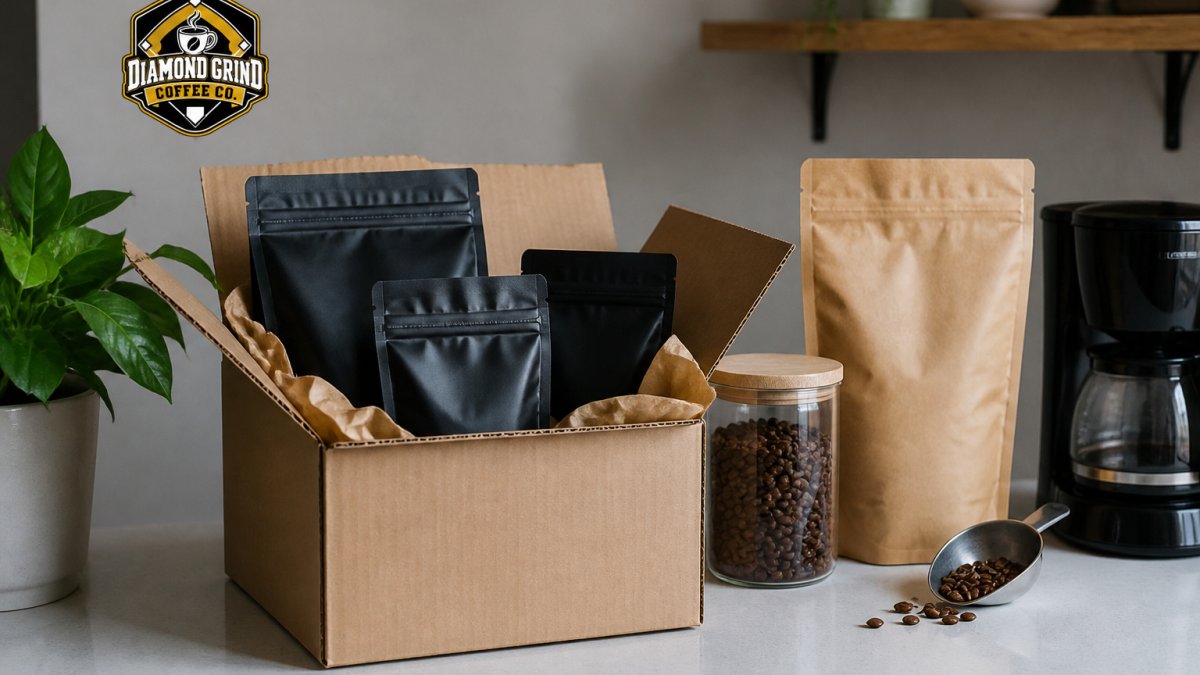
Start small. Order a sample pack to explore flavors, then choose a single bag that matches your preferences. If you want to avoid a long-term lock-in, a subscription without long-term commitment lets you try the plan on your own schedule. We'd rather you buy the right amount than the biggest one.
Frequently Asked Questions
Are coffee subscriptions worth it?
Whether a coffee subscription is worth it depends on its terms and your buying habits. Diamond Grind Coffee roasts after the order is placed and ships the same day it is roasted. Sample packs contain coffee in 2 oz packs, so you can explore varieties before choosing a bag. Compare the price per ounce and any shipping charges before deciding. Diamond Grind Coffee offers free shipping on U.S. orders.
Is a coffee subscription cheaper than buying coffee at a store?
It depends on how much you drink and what you currently pay. Start by calculating your monthly coffee spend and your cost per cup at home. Then compare that to the listed Diamond Grind Coffee sample packs, each priced at $24.99. Track one month of purchases to understand your spending.
How often should coffee be delivered in a subscription?
Consider how quickly you go through a bag when deciding when to place another order. If your consumption changes, you can choose when to make your next one-time purchase.
Can you pause or cancel a coffee subscription?
Diamond Grind Coffee sells sample packs and bags as one-time purchases, so you can order without committing to a recurring plan.
Ready to find your next cup? Try a sample pack, pick your favorite profile, and see how freshly roasted coffee compares to what you're drinking now. Shop fresh at Diamond Grind Coffee and get free U.S. shipping on your order.